Mold Inspection vs. Mold Testing: What's the Difference?

August 27, 2026

Mold Inspection vs. Mold Testing: What's the Difference?

Mold Inspection vs. Mold Testing: What's the Difference?

“Mold inspection” and “mold testing” are often used interchangeably, but they don't necessarily mean the same thing.

A mold inspection focuses on evaluating the property and identifying conditions that may indicate a mold or moisture problem. Mold testing involves collecting samples that are analyzed by a laboratory.

Understanding the difference can help you determine what type of service may be appropriate for your property.

What Is a Mold Inspection?

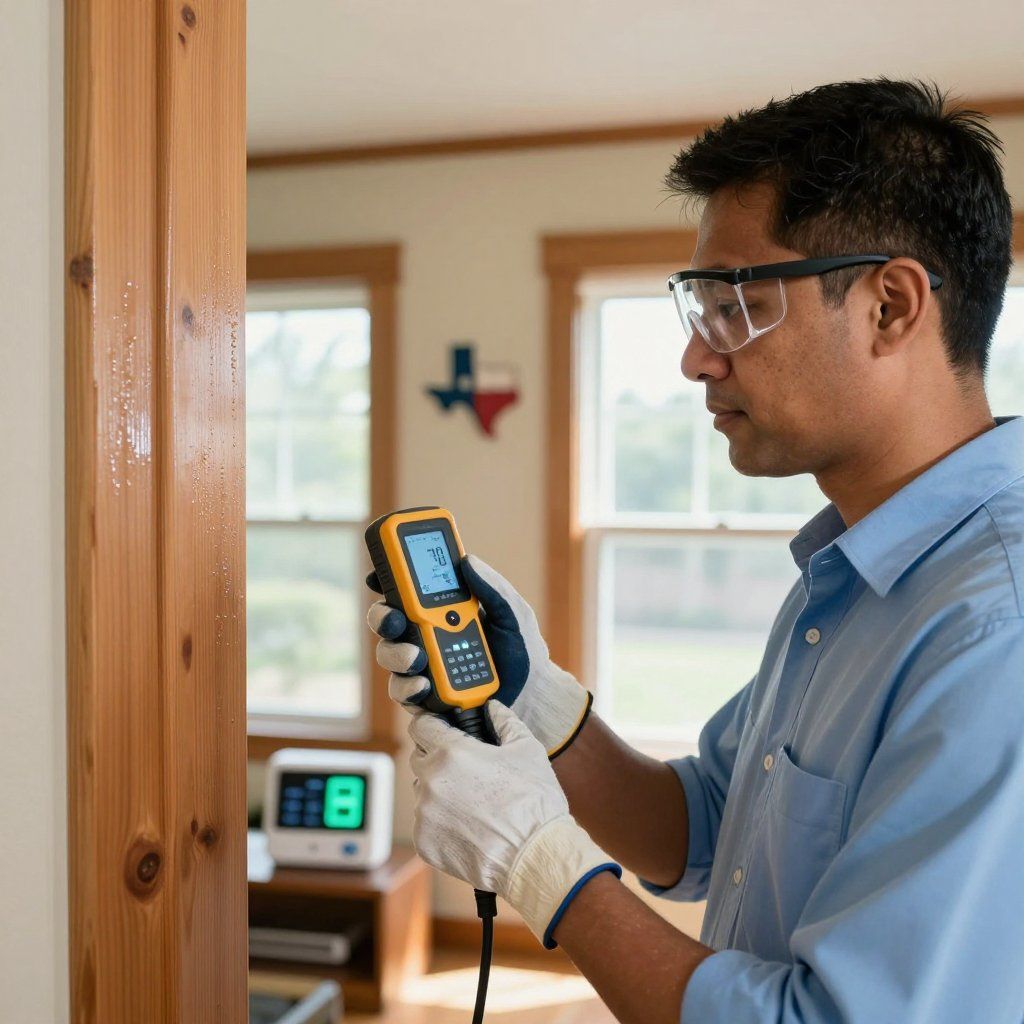
A professional mold inspection is an evaluation of the property for conditions associated with mold and moisture.

Depending on the property and areas of concern, an inspection may include evaluating accessible areas for:

  • Visible mold-like growth
  • Water damage
  • Staining or discoloration
  • Plumbing or roof leaks
  • Elevated moisture
  • HVAC condensation
  • Previous water intrusion
  • Other conditions that may contribute to mold growth

Moisture measurements and other inspection methods may also be used when appropriate.

The objective isn't simply to determine whether mold spores exist. Mold naturally occurs in the environment. The inspection helps provide context about conditions within the property.

What Is Mold Testing?

Mold testing involves collecting samples from selected locations for laboratory analysis.

Several sampling methods may be used depending on the conditions and purpose of the inspection.

Air Sampling

Air samples can help evaluate airborne mold spores in a selected area.

When indoor air sampling is performed, an outdoor air sample may also be collected to provide a baseline for comparison with indoor conditions.

Surface Sampling

When mold-like growth or suspect material is visible, a surface sample may be collected using an appropriate sampling method and submitted for laboratory analysis.

The appropriate sampling strategy depends on the property and the reason testing is being performed.

Why Is an Outdoor Air Sample Important?

Mold spores naturally exist outdoors and can enter buildings through doors, windows, ventilation systems, and normal air movement.

An outdoor sample provides useful context when interpreting indoor air-sampling results.

Rather than assuming that the presence of any mold spores automatically means there is an indoor mold problem, the laboratory findings can be evaluated alongside the outdoor conditions, inspection observations, moisture findings, and types of spores identified.

Do I Need an Inspection, Testing, or Both?

It depends on the situation.

Someone who has visible water damage may first need the affected area evaluated to understand the extent of the moisture concern.

Another property may have no visible mold but have a history of leaks, musty odors, or other conditions that make air sampling useful.

In many situations, inspection and testing work together. The inspection provides information about the property, while laboratory testing provides additional information about samples collected from selected areas.

Can Mold Testing Find Hidden Mold?

Mold testing can provide information about the samples collected, but it should not be viewed as a substitute for investigating potential moisture sources.

If a property has a plumbing leak, roof problem, HVAC condensation, or another source of moisture, identifying and correcting that source is an important part of addressing the problem.

That's one reason a professional inspection is valuable alongside laboratory testing.

What Happens After Samples Are Collected?

Samples are submitted to a professional laboratory for analysis.

Once results are available, they can be evaluated together with the observations made during the inspection. A professional report can then summarize the areas inspected, samples collected, laboratory findings, and recommendations based on the conditions identified.

What About Post-Remediation Mold Testing?

Mold testing is also commonly used after remediation.

Post-remediation testing is performed after remediation work has been completed to independently evaluate conditions in the treated area.

Using a testing company that is separate from the remediation contractor provides an additional level of independence when evaluating the completed work.

Why Choose an Independent Mold Testing Company?

Rapid Response Mold Testing focuses on inspection and testing rather than performing mold remediation based on our own findings.

Our role is to evaluate the property, collect appropriate samples when necessary, review laboratory-supported information, and provide clear findings so property owners can make informed decisions.

Professional Mold Inspection & Testing in Houston and Los Angeles

Rapid Response Mold Testing provides independent mold inspection and testing for residential and commercial properties throughout the Houston and Los Angeles metropolitan areas.

Whether you're investigating previous water damage, visible mold-like growth, moisture concerns, a real estate transaction, or conditions following remediation, the appropriate inspection and sampling approach can be determined based on your property and areas of concern.

Schedule a Mold Inspection

Not sure whether you need a mold inspection, mold testing, or both?

Contact Rapid Response Mold Testing to discuss your property and concerns.

Call (888) 387-4855 or request an inspection online.

August 27, 2026
Had a leak or water damage? Learn when mold may become a concern, signs to watch for and when to consider professional mold inspection and testing.
By Sean Dare August 17, 2026
How Much Does a Mold Inspection Cost in Los Angeles or Houston, TX?
By Sean Dare August 16, 2026
How Do I Get an Accurate Price for My Property?
By Sean Dare August 16, 2026
What Happens During a Mold Inspection?
By Sean Dare August 16, 2026
You may want to schedule a professional mold inspection if you have experienced: Plumbing or roof leaks Flooding or storm-related water intrusion Visible mold or mold-like growth Musty or unusual odors Unexplained staining or discoloration Elevated indoor moisture or humidity HVAC or AC condensation problems Previous mold remediation Mold or water-damage concerns during a real estate transaction Houston's warm and humid climate makes addressing persistent moisture particularly important.
By Sean Dare August 16, 2026
Rapid Response Mold Testing specializes in mold inspection and testing rather than mold remediation . Why does that matter? A company that both identifies mold problems and sells the work required to remove the mold may have a financial interest in the outcome of the inspection. Using an independent mold testing company provides separation between the company evaluating the property and the contractor who may eventually perform remediation. Our goal is to provide clear inspection findings and laboratory-supported information so you can make an informed decision about your property.
By Sean Dare August 16, 2026
Why Not Choose a Mold Inspector Based Only on Price?
By emmanuel S August 16, 2026
1. Property Size and Type Inspecting a small apartment may require a different scope of work than inspecting a large single-family home, multi-unit property, office building, or commercial facility. The size and layout of the property can affect the amount of time required to complete the inspection. 2. Number of Areas Being Evaluated Some customers are concerned about one room following a plumbing leak, while others may need multiple bedrooms, bathrooms, HVAC areas, or other portions of the property evaluated. The number of areas involved can affect the scope and cost of the inspection. 3. Number and Type of Mold Samples Depending on the conditions observed during the inspection, air, surface, or other types of samples may be appropriate. When air sampling is performed, an outdoor sample may also be collected to provide a baseline for comparison with indoor conditions. Additional areas of concern may require additional samples. 4. Property Location Travel distance and the property's location within or outside our normal Houston service area may affect inspection pricing. 5. Laboratory Turnaround Time Standard laboratory processing is typically available within a few business days. When results are needed more quickly, expedited laboratory processing may be available and can affect the final cost.
By Sean Dare February 25, 2026
Why humidity leads to mold growth Mold thrives in warm, damp environments. In humid regions like Houston and coastal Southern California, indoor moisture can accumulate even without visible leaks. When humidity levels rise above 60%, mold spores can settle and grow on building materials, furniture, and fabrics. Common moisture sources inside homes Air conditioning condensation Poor ventilation Plumbing leaks Roof leaks High outdoor humidity entering the home Hidden moisture problems homeowners overlook Poor attic ventilation Trapped heat and moisture can lead to mold growth on roof decking. HVAC condensation Improper drainage or clogged lines can cause moisture buildup. Bathroom humidity Without adequate ventilation, steam can saturate walls and ceilings. Closet and storage areas Poor airflow allows moisture to accumulate. How to reduce indoor humidity Use exhaust fans when cooking or showering Keep HVAC systems maintained Use dehumidifiers if necessary Repair leaks promptly Ensure proper attic ventilation When testing is recommended If musty odors, moisture issues, or allergy symptoms appear, testing can determine whether mold contamination is present. Professional inspection helps identify moisture sources before damage spreads.
February 25, 2026
Houston’s climate creates ideal conditions for mold Houston’s high humidity, frequent storms, and warm temperatures make homes especially vulnerable to hidden moisture and mold growth. Mold can develop quickly after leaks, flooding, or HVAC issues. Knowing the early warning signs can help prevent costly damage and protect indoor air quality. Common signs you may have mold Musty or damp odors A persistent musty smell is often the first sign of hidden mold growth, even when no visible mold is present. Allergy symptoms indoors Sneezing, coughing, congestion, headaches, or irritated eyes that improve when leaving the home may indicate mold exposure. Water damage or past leaks Previous roof leaks, plumbing issues, or flooding can leave moisture trapped inside walls or flooring. Visible staining or discoloration Dark spots, staining, or paint bubbling may indicate moisture intrusion and potential mold growth. High indoor humidity Humidity above 60% encourages mold growth, especially in bathrooms, kitchens, and closets. Where mold commonly grows in Houston homes Behind drywall and insulation Under flooring and baseboards Inside HVAC systems and ducts Around windows and exterior walls Inside closets and storage areas Why early detection matters Mold can spread quickly and damage building materials while impacting indoor air quality. Professional inspection can identify hidden moisture and determine whether mold growth is present. When to schedule a mold inspection If you notice musty odors, past water damage, or unexplained allergy symptoms, a professional mold inspection can help identify the cause. Rapid Response Mold Testing provides fast, professional mold inspections throughout Houston and surrounding communities.