Hidden Mold
Can You Have Mold in Your Home Without Seeing It?
Can You Have Mold in Your Home Without Seeing It?
Visible mold is one reason property owners call for an inspection, but mold concerns don't always begin with something you can see.
Leaks and moisture can sometimes affect concealed areas such as wall cavities, flooring systems, cabinets, ceilings, insulation, and areas around plumbing or HVAC equipment.
That's why the absence of visible mold doesn't necessarily mean there is no moisture problem.
Where Can Hidden Moisture Problems Develop?
Potential problem areas include:
- Behind drywall
- Beneath flooring
- Under sinks and cabinets
- Around showers and tubs
- Behind appliances
- Around windows and exterior walls
- Near plumbing lines
- Around HVAC equipment
- Inside ceilings following roof leaks
- Areas affected by previous flooding or water damage
The important factor is often not whether mold can be seen, but whether conditions exist that could support mold growth.
What Are Possible Signs of a Hidden Moisture Problem?
You may notice:
Musty Odors
Persistent musty or earthy odors may warrant further investigation, particularly when they occur near areas with previous water damage.
Water Stains
Discoloration on drywall, ceilings, baseboards, or cabinetry can indicate current or previous moisture intrusion.
Damaged Building Materials
Warped flooring, peeling paint, swollen baseboards, deteriorated drywall, or damaged cabinetry may indicate a moisture problem.
History of Water Damage
A previous plumbing leak, roof leak, flood, overflowing appliance, or HVAC leak can be important even if the affected area currently appears dry.
How Do Mold Inspectors Look for Hidden Problems?
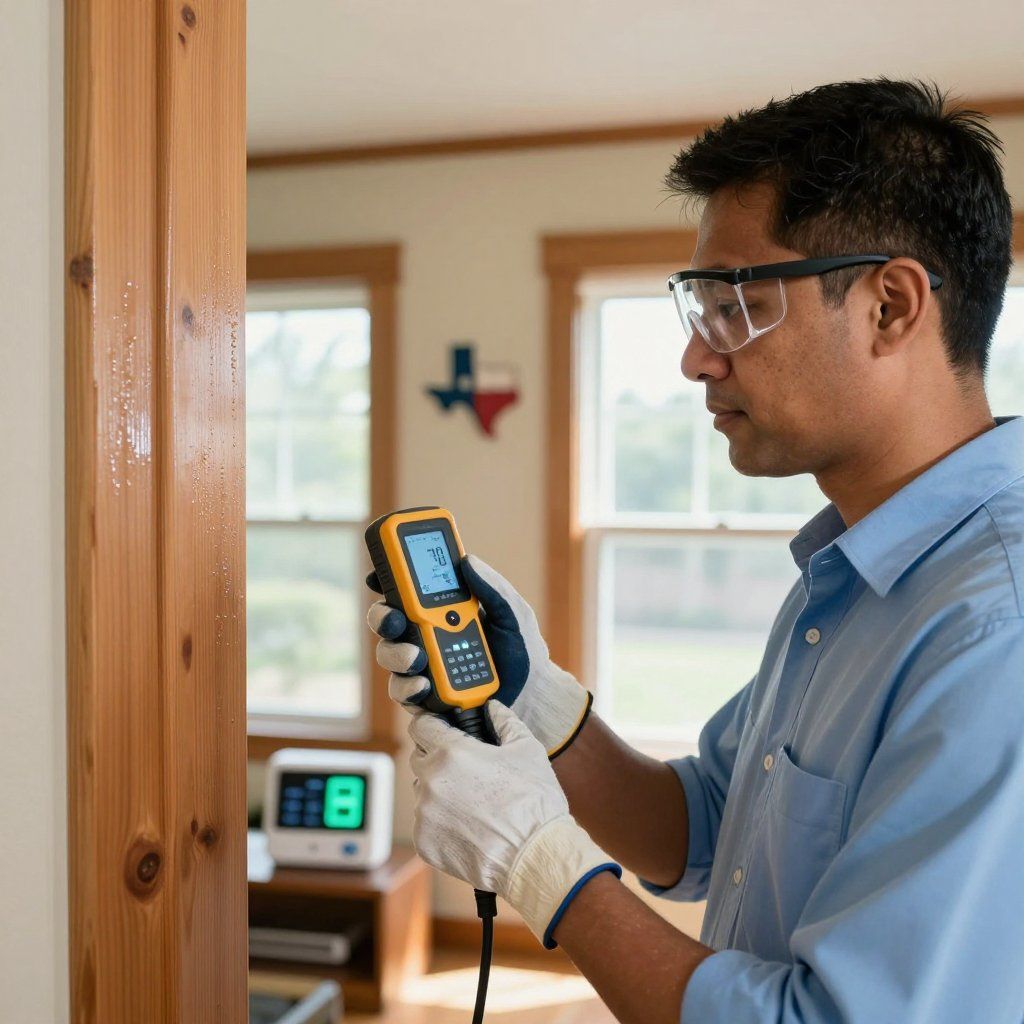
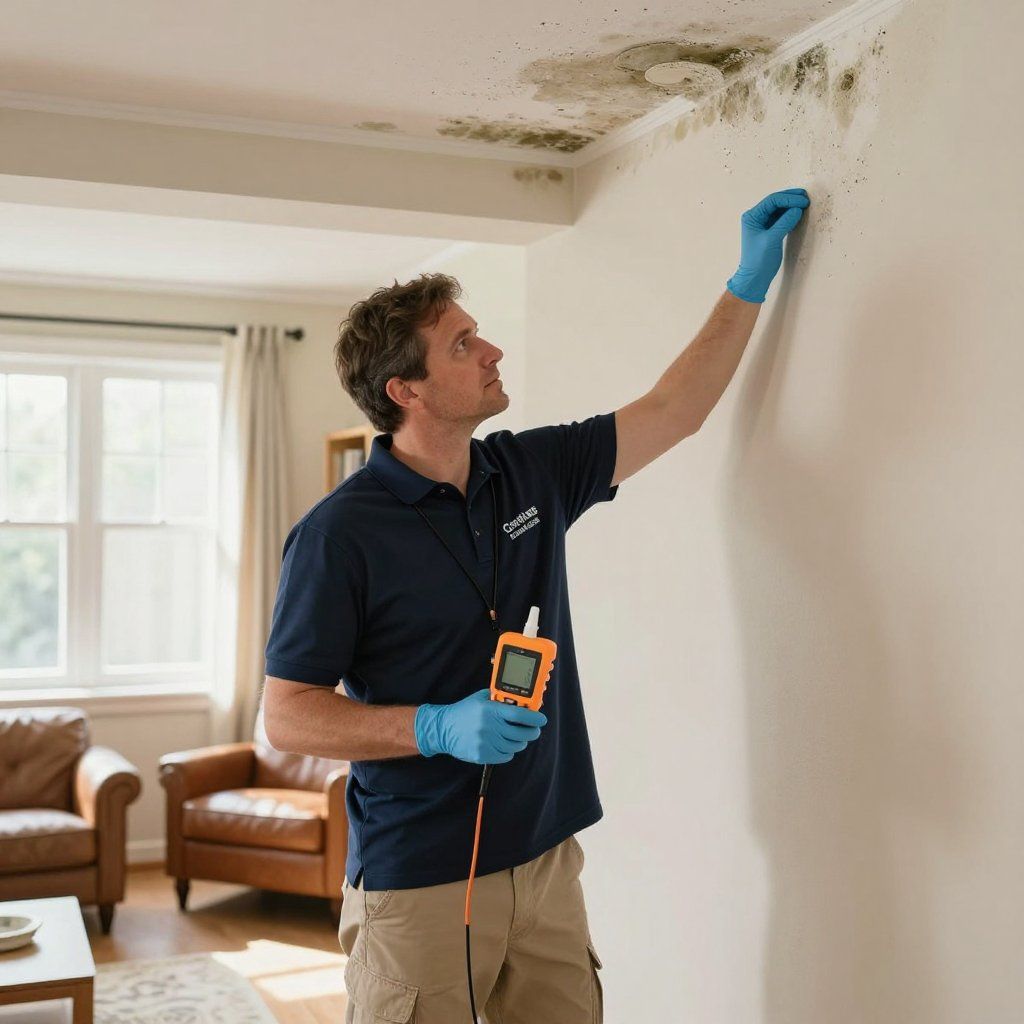
A professional mold inspection generally begins with accessible areas.
Inspectors evaluate the property for visible conditions, water damage, staining, moisture concerns, and other indicators that may warrant further investigation.
Moisture measurements and other inspection methods may be used when appropriate.
It's important to understand that a standard mold inspection does not mean an inspector will automatically open walls or perform destructive investigation.
Can Air Testing Detect Hidden Mold?
Air sampling can provide information about airborne mold spores in the area where the sample was collected.
However, an air sample cannot tell you everything about what may be occurring inside every wall or concealed space.
That's why laboratory results should be considered alongside inspection observations, moisture findings, the property's water-damage history, and other relevant information.
What If I Had a Leak Months Ago?
Previous water damage can still be relevant.
If affected materials weren't properly dried or removed, moisture-related problems may have developed even though the original leak has been repaired.
A professional inspection can help determine whether current conditions warrant additional investigation or testing.
Should I Get a Mold Inspection If I Can't See Mold?
Consider an inspection when there has been significant water damage, persistent moisture, unexplained staining, musty odors, repeated leaks, or other reasons to suspect a moisture-related problem.
The appropriate inspection and testing approach depends on the property and circumstances.
Independent Mold Inspection in Houston & Los Angeles
Rapid Response Mold Testing provides professional mold inspection and testing throughout the Houston and Los Angeles metropolitan areas.
Because we focus on inspection and testing rather than selling mold remediation based on our findings, our goal is to provide clear information about the conditions identified at your property.
Call (888) 387-4855 or request an inspection online.