Can Your AC Cause Mold? HVAC Mold & Moisture Problems
Can Your AC or HVAC System Cause Mold Problems?
Can Your AC or HVAC System Cause Mold Problems?
Your air-conditioning system is designed to control temperature and humidity, but under certain conditions it can also become associated with excess moisture and potential mold problems.
Condensation, clogged drain lines, leaking drain pans, high indoor humidity, and moisture around HVAC equipment can affect nearby building materials. Because HVAC systems also circulate air throughout a property, mold or moisture concerns near the system should not be ignored.
How Can an HVAC System Contribute to Moisture Problems?
Air-conditioning systems naturally produce condensation as warm, humid air passes over cold components.
Normally, this moisture is collected and drained away. Problems can develop when the drainage system isn't functioning properly or excessive condensation occurs.
Common HVAC-related moisture concerns include:
- Clogged condensate drain lines
- Overflowing or damaged drain pans
- Condensation around ductwork
- Poorly insulated ducts
- Water leaks near air handlers
- Elevated indoor humidity
- Moisture around supply or return vents
- Improperly sized or malfunctioning HVAC equipment
Over time, persistent moisture can affect drywall, ceilings, insulation, cabinetry, flooring, and other materials near the HVAC system.
What Are Signs of an HVAC Moisture Problem?
Potential warning signs include water staining around vents, condensation on ducts or registers, musty odors when the AC operates, visible mold-like growth near vents, ceiling staining, or recurring moisture around the air handler.
These conditions don't automatically mean you have a significant mold problem, but they may justify further investigation.
Can Mold Grow Inside Air Ducts?
Mold growth requires suitable moisture and environmental conditions.
If ductwork or HVAC components remain damp because of condensation, water intrusion, or another moisture source, mold growth may potentially occur on affected materials.
However, dark material or dust inside a vent shouldn't automatically be assumed to be mold based on appearance alone.
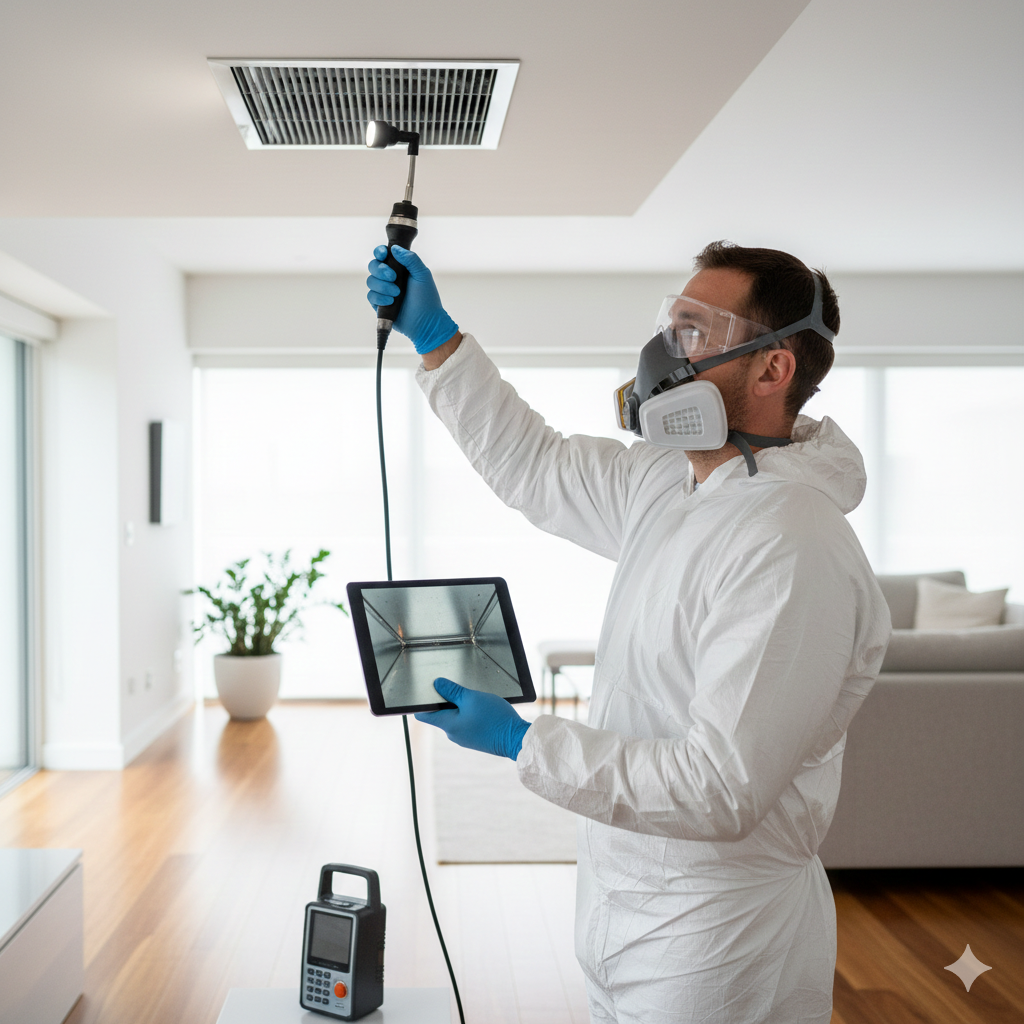
Professional evaluation and, when appropriate, sampling can provide more useful information.
Should You Test the Air?
Air sampling may be useful when there are concerns about airborne mold spores or when conditions observed during an inspection warrant additional testing.
An indoor air sample may be compared with an outdoor baseline sample to provide context about the types and concentrations of mold spores identified.
Air sampling should be interpreted alongside the physical inspection and moisture conditions rather than viewed as a standalone answer.
Houston HVAC & Mold Concerns
Houston's warm, humid climate means air-conditioning systems often operate for extended periods throughout the year.
Condensation, high humidity, clogged drain lines, and HVAC-related water damage are therefore important moisture concerns for Houston-area properties.
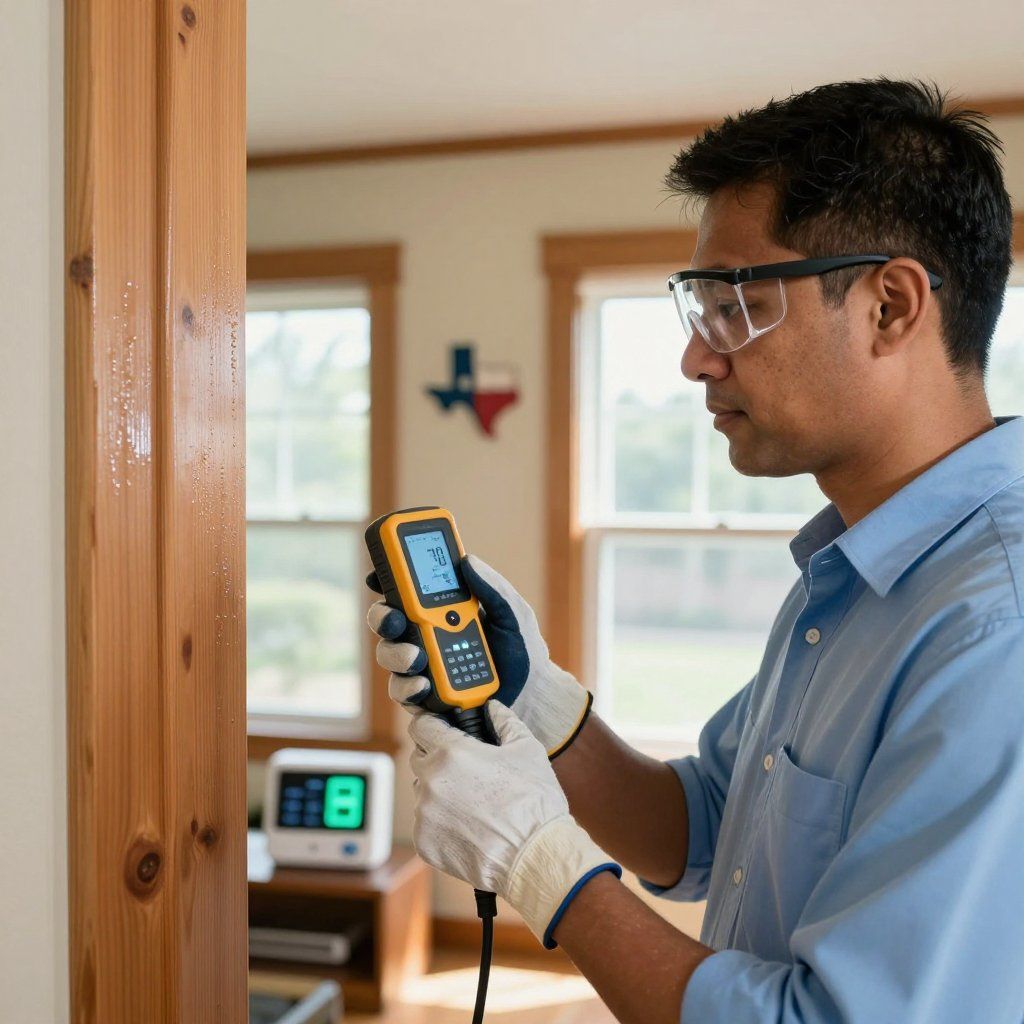
If staining, moisture, odors, or mold-like growth develops around HVAC equipment or vents, a professional inspection can help determine whether additional evaluation is appropriate.
HVAC & Mold Concerns in Los Angeles
Los Angeles properties can also experience HVAC-related moisture problems, particularly from condensate drainage failures, improperly insulated equipment, or leaks affecting ceilings and walls.
Even in a generally drier climate, localized moisture can create conditions that warrant mold and moisture evaluation.
What Should You Do If You Suspect an HVAC Mold Problem?
The first priority is identifying and correcting the moisture source.
An HVAC professional may need to evaluate or repair the mechanical system, while an independent mold inspector can evaluate affected building materials and determine whether mold testing is appropriate.
Schedule an Independent Mold Inspection
If you've noticed moisture, staining, odors, or suspected mold around your AC system, Rapid Response Mold Testing provides independent mold inspection and testing throughout the Houston and Los Angeles metropolitan areas.
Call (888) 387-4855 or request an inspection online.