Mold After Water Damage: When Should You Test? | RRMT
How Soon Can Mold Grow After Water Damage?
How Soon Can Mold Grow After Water Damage?
A plumbing leak, overflowing appliance, roof leak, flooding, or storm-related water intrusion can leave more than visible water behind. Moisture may remain in drywall, flooring, insulation, cabinetry, ceilings, and other building materials even after the surface appears dry.
For property owners in humid areas such as Houston and Los Angeles, addressing water intrusion quickly is especially important. If materials remain damp, conditions may develop that support mold growth.
Why Water Damage Can Lead to Mold
Mold requires moisture to grow. When water enters a building, porous materials can absorb and retain moisture long after standing water has been removed.
Common sources of water damage include:
- Plumbing and supply-line leaks
- Roof leaks
- Flooding and storm damage
- HVAC condensation
- Appliance leaks
- Overflowing sinks, tubs, or toilets
- Window and exterior-wall intrusion
- Water heater failures
The amount of visible water does not always indicate the full extent of the problem. A relatively small leak can sometimes affect materials behind walls, beneath flooring, or inside cabinets.
How Quickly Can Mold Develop?
There is no single timeline that applies to every property.
Mold growth depends on several factors, including the amount of moisture present, how long materials remain damp, temperature, humidity, ventilation, and the types of building materials affected.
For this reason, water-damaged materials should be dried and the source of moisture corrected as quickly as practical rather than waiting for visible mold to appear.
What If the Water Damage Already Looks Dry?
A surface that feels dry does not necessarily mean every affected material is dry.
Moisture may remain in areas such as:
- Behind drywall
- Beneath flooring
- Inside wall cavities
- Under cabinets
- Around baseboards
- Inside insulation
- Near HVAC equipment
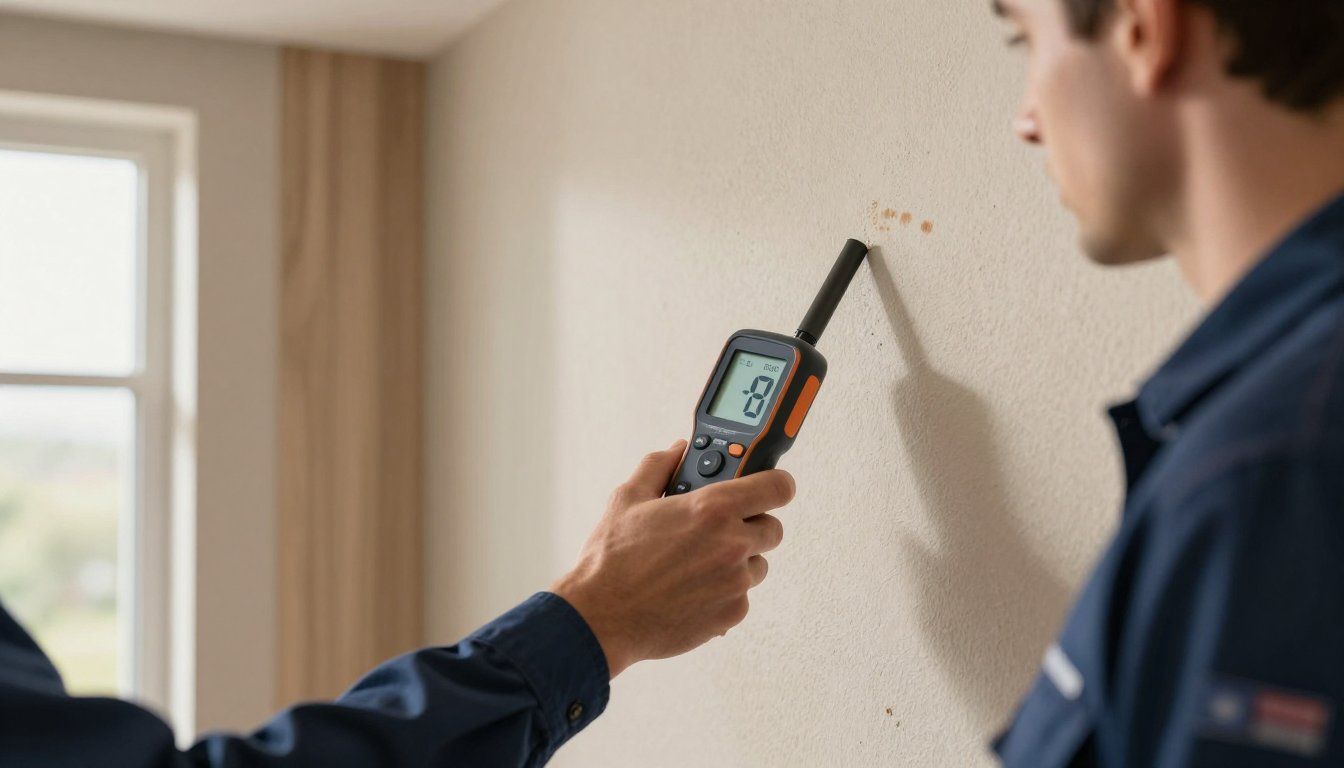
Moisture assessment can help identify areas that may require additional investigation.
Signs to Watch for After Water Damage
After a leak or other water event, consider having the property evaluated if you notice visible mold-like growth, musty odors, staining or discoloration, damaged drywall or baseboards, persistent moisture, or other changes in the affected area.
You may also want an inspection when significant water intrusion occurred but no visible mold is present, particularly if you're uncertain whether affected materials were completely dried.
Do You Always Need Mold Testing After a Leak?
Not necessarily.
Whether mold testing is appropriate depends on the circumstances, including the extent of the water damage, how quickly the area was dried, whether mold-like growth is visible, and whether there are concerns about areas that cannot be readily evaluated.
A professional mold inspection can help determine whether sampling would provide useful information.
What Happens During a Mold Inspection After Water Damage?
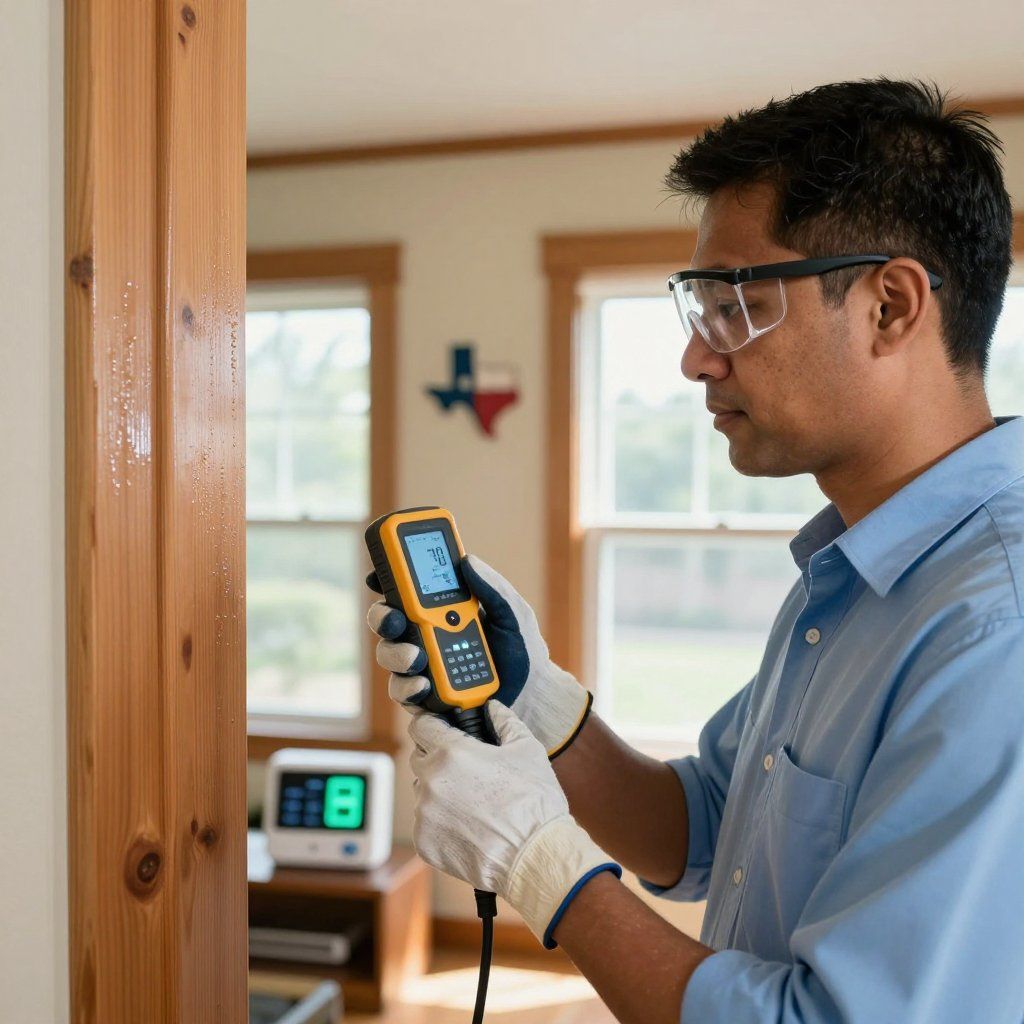
The inspection generally begins with evaluating the affected and accessible surrounding areas for signs of moisture intrusion, water damage, staining, and mold-like growth.
Moisture readings or other inspection methods may be used when appropriate.
If mold sampling is recommended, air and/or surface samples can be collected from selected areas and submitted for professional laboratory analysis.
The inspection findings and laboratory results can then be incorporated into a report explaining the conditions identified and recommended next steps.
Why Independent Mold Testing Matters
Rapid Response Mold Testing focuses on mold inspection and testing rather than selling mold remediation based on our own findings.
Keeping inspection and remediation separate helps provide an independent evaluation of the property. If remediation is necessary, the property owner can use the inspection findings to make informed decisions when selecting a remediation contractor.
Independent post-remediation testing can also be performed after remediation to evaluate conditions following the completed work.
Mold Inspection After Water Damage in Houston
Houston-area properties can face water intrusion from severe storms, heavy rainfall, plumbing failures, roof leaks, HVAC condensation, and flooding.
Combined with Southeast Texas humidity, these conditions make identifying and correcting persistent moisture especially important.
Rapid Response Mold Testing provides independent mold inspection and testing throughout Houston and surrounding communities.
Mold Inspection After Water Damage in Los Angeles
Los Angeles properties can also experience mold concerns following plumbing leaks, roof intrusion, appliance failures, HVAC problems, and other sources of water damage.
Even in Southern California's generally drier climate, trapped moisture inside building materials can create conditions that warrant further evaluation.
Rapid Response Mold Testing provides professional mold inspection and testing throughout Los Angeles and surrounding communities.
Schedule a Mold Inspection
If your home, rental property, or commercial building recently experienced water damage and you're concerned about mold or remaining moisture, Rapid Response Mold Testing can help evaluate the affected areas.
Call (888) 387-4855 or request an inspection online to discuss your property and inspection needs.