Outdoor Baseline
Why Is an Outdoor Air Sample Used for Mold Testing?

Why Is an Outdoor Air Sample Used During Mold Testing?
If you've scheduled professional mold air testing, you may wonder why the inspector collects a sample outside when your concern is inside the property.
The answer is simple: mold spores naturally exist outdoors.
An outdoor air sample can provide a baseline that helps place indoor mold air-sampling results into context.
Mold Spores Naturally Exist in the Environment
Finding mold spores in an indoor air sample doesn't automatically mean a building has an abnormal mold condition.
Mold spores are naturally present in the outdoor environment and can enter buildings through doors, windows, ventilation systems, clothing, and normal air movement.
That's one reason laboratory results shouldn't be interpreted simply as:
Mold detected = property failed.
The types and concentrations of spores identified, outdoor conditions, inspection observations, moisture conditions, and other factors all provide useful context.
What Is an Outdoor Baseline Sample?
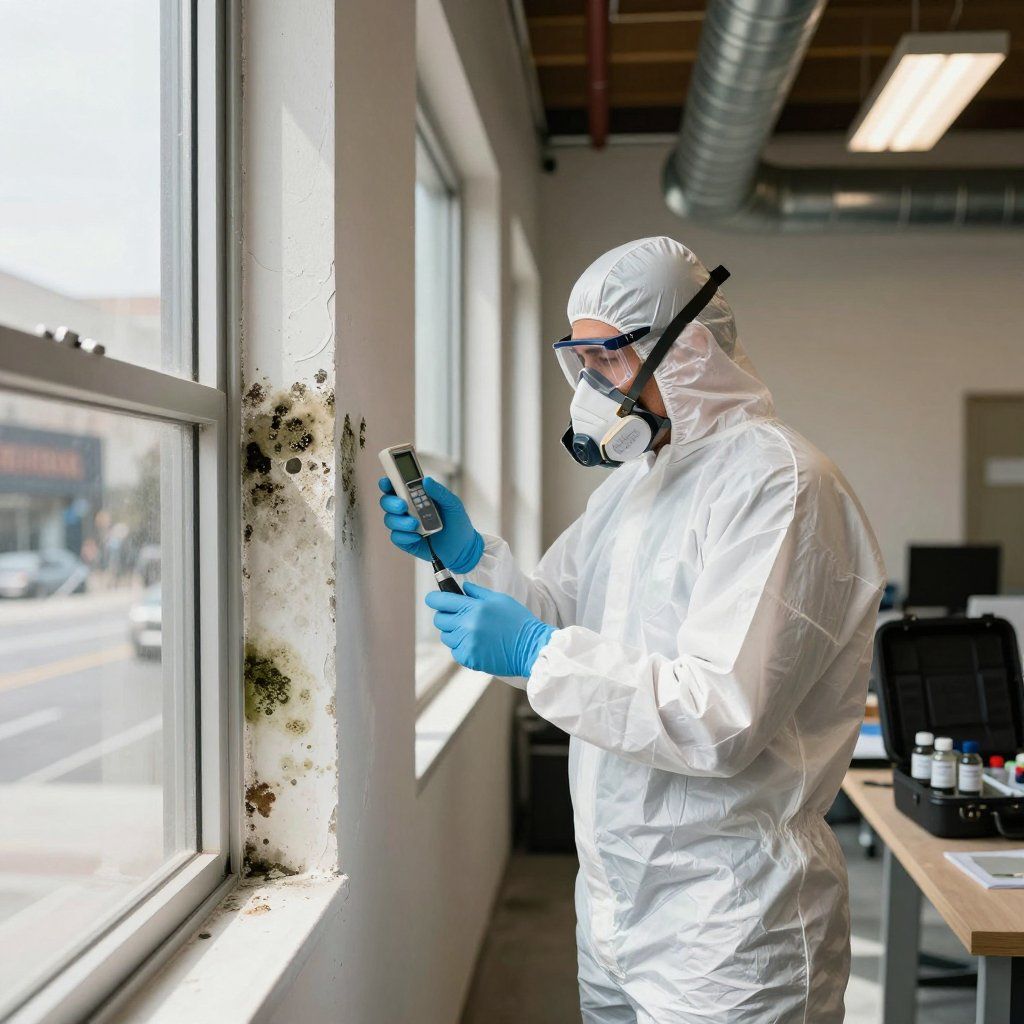
During mold air testing, an inspector may collect an air sample outside the property.
Additional air samples are then collected from selected indoor areas.
The laboratory analyzes the samples and reports information about the mold spores identified.
The outdoor sample provides a reference point that can be considered when evaluating the indoor samples.
Why Compare Indoor and Outdoor Samples?
Suppose a particular type of mold is common in the outdoor environment on the day of testing.
Finding some of those same spores indoors may have a different significance than finding substantially different indoor conditions.
The comparison can help the inspector evaluate whether indoor findings appear consistent with outdoor conditions or whether additional investigation may be appropriate.
Does Indoor Mold Always Need to Be Lower Than Outside?
Mold test interpretation is more complicated than simply comparing two numbers.
Factors such as mold type, relative concentrations, inspection observations, moisture conditions, property history, and sampling locations can all be relevant.
Certain findings may also deserve attention because of the type of mold identified rather than simply the total spore count.
For this reason, laboratory results should be interpreted as part of the overall inspection rather than relying on a single number.
What Can Affect an Outdoor Mold Sample?
Outdoor mold conditions can change based on:
- Weather
- Rainfall
- Wind
- Humidity
- Season
- Vegetation
- Nearby landscaping
- Environmental conditions at the time of sampling
The outdoor sample represents conditions at the time the test is performed.
Why Isn't Air Testing Enough by Itself?
Air sampling provides information about the air collected during a specific sampling period.
It does not replace a physical evaluation of the property.
A professional mold assessment should consider relevant information such as visible mold-like growth, moisture readings, water damage, staining, previous leaks, odors, property history, and laboratory findings.
Combining these pieces of information provides much more useful context than simply looking at an isolated laboratory number.
What If Indoor Results Are Elevated?
When indoor mold findings appear elevated or otherwise concerning compared with the outdoor baseline and the conditions observed during the inspection, additional investigation or corrective action may be recommended.
The appropriate recommendation depends on the mold types identified, affected area, moisture source, inspection findings, and other property-specific conditions.
Professional Mold Air Testing in Houston & Los Angeles
Rapid Response Mold Testing provides professional mold inspection and air sampling throughout the Houston and Los Angeles metropolitan areas.
Our inspections combine property observations with professional laboratory analysis to help customers better understand mold and moisture conditions within their property.
Schedule Mold Testing
If you're concerned about indoor mold, previous water damage, moisture, or indoor air conditions, contact Rapid Response Mold Testing.
Call (888) 387-4855 or request a mold inspection online.