Rainy Season Is Coming: How Los Angeles Homeowners Can Catch Leak-Related Mold Early
Where roof and window leaks hide, and when to test
Los Angeles goes months without meaningful rain, and then the wet season arrives, usually starting in late fall and running through early spring. For many homes, the first real storm of the year is when a cracked roof flashing, a failed window seal, or a clogged gutter finally shows itself.
The leak itself is often small. The problem is that water from a slow roof or window leak can sit inside walls, attics, and ceilings for weeks before anyone notices a stain. Here is how Los Angeles homeowners and property managers can spot trouble early and decide when testing is worth it.
Why the First Storms Matter Most
After a long dry season, roofing materials, sealants, and caulking have spent months in sun and heat. Gutters and downspouts often collect leaves and debris. When the first heavy rain comes, water finds whatever weak points have developed.
These leaks often happen out of sight, so materials can stay wet long enough to support mold growth before anyone notices. EPA guidance recommends drying wet building materials within 24 to 48 hours to reduce the chance of mold growth, which is hard to do when you don't know the material is wet.
Common Leak Points in Los Angeles Homes
Water can enter a home in many places. After a storm, it is worth paying attention to:
- Roof flashing around chimneys, skylights, vents, and roof-to-wall transitions
- Flat or low-slope roofs, which are common on many LA homes and can pond water
- Windows and sliding doors, especially older frames or failed seals
- Stucco walls, where cracks or poorly sealed penetrations can let water behind the finish
- Gutters and downspouts that overflow or drain toward the foundation
- Balconies and decks above living space
- Hillside properties, where drainage and soil moisture can push water toward lower walls
Water rarely stays where it entered. It can travel along framing, roof decking, or inside a wall cavity and show up several feet from the actual leak.
What to Check After a Heavy Rain
You don't need special tools to do a basic walk-through after a storm. Look and smell for:
- New or growing stains on ceilings, especially near exterior walls
- Bubbling, peeling, or soft paint and drywall
- Damp or discolored areas around window frames and sills
- Warped baseboards or flooring near exterior doors
- A musty odor in closets, attics, or rooms that were fine before the rain
- Damp insulation or darkened roof decking, if you can safely look in the attic
If you find a wet area, the first priority is stopping the water and drying the materials. A roofer, window contractor, or general contractor can address the source.
Fixing the Leak Doesn't Answer Every Question
Repairing a roof or resealing a window stops new water from coming in. It doesn't tell you what happened to the materials that were already wet.
Think of it as two separate questions:
- Where was the water coming from, and has it been fixed?
- Did the affected materials dry out, or did mold have a chance to grow?
A painted-over ceiling stain can look fine on the surface while the drywall, insulation, or framing behind it tells a different story.
When a Professional Mold Inspection Makes Sense
Not every small, quickly dried leak calls for testing. But an independent mold inspection is often worth considering when:
- A leak went unnoticed for days or weeks
- Ceilings, walls, or insulation stayed wet beyond a day or two
- You notice a persistent musty smell after rain
- There is visible growth, or staining that keeps coming back
- You're buying, selling, or renting out the property and want documentation
- You're about to close up a wall or ceiling and want to know what's behind it first
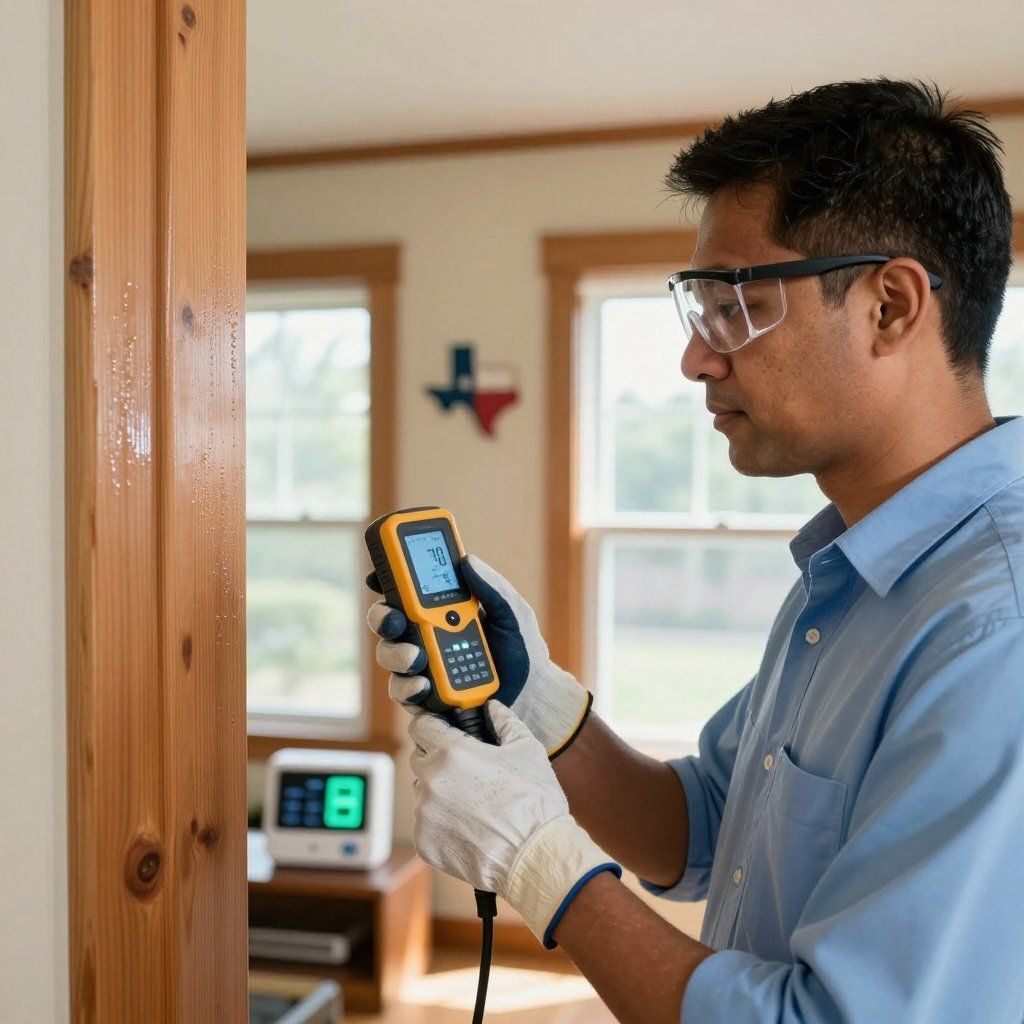
A professional assessment typically includes a visual inspection, moisture readings to find materials that may still be wet, and, when appropriate, air or surface samples analyzed by a laboratory. Air samples are usually compared against an outdoor baseline sample so the results have context.
Schedule a Los Angeles Mold Inspection
If your Los Angeles home, condo, or rental property had a roof, window, or storm-related leak, Rapid Response Mold Testing can help you understand what's going on before you move forward with repairs. As an independent inspection company, we provide mold inspections and lab air testing for homeowners, landlords, and property managers across Los Angeles and Houston.
Call (888) 387-4855 or email office@rapidresponsemoldtesting.com to schedule an inspection.
Frequently Asked Questions
Can one storm cause mold?
It can if materials stay wet long enough. EPA recommends drying wet materials within about 24 to 48 hours to reduce the chance of mold growth.
I fixed the roof leak. Do I still need an inspection?
Not always. If the leak was caught quickly and materials dried, you may not. If materials stayed wet, an odor developed, or staining appeared, an inspection can help determine whether further action is needed.
Can mold be inside the wall even if I can't see it?
Yes. Water can collect inside wall cavities, under flooring, or in insulation without showing on the finished surface right away.