Post-Remediation Testing
How Do You Know If Mold Remediation Actually Worked?
How Do You Know If Mold Remediation Actually Worked?
Completing mold remediation doesn't automatically answer one important question:
Was the remediation successful?
After mold remediation has been completed, an independent post-remediation inspection and testing can help evaluate conditions in the treated area before the project is considered complete.
This process is commonly referred to as post-remediation verification, clearance testing, or post-remediation mold testing.
What Is Post-Remediation Mold Testing?
Post-remediation testing is performed after mold remediation work has been completed.
The purpose is to independently evaluate the treated area based on the conditions observed and, when appropriate, laboratory testing.
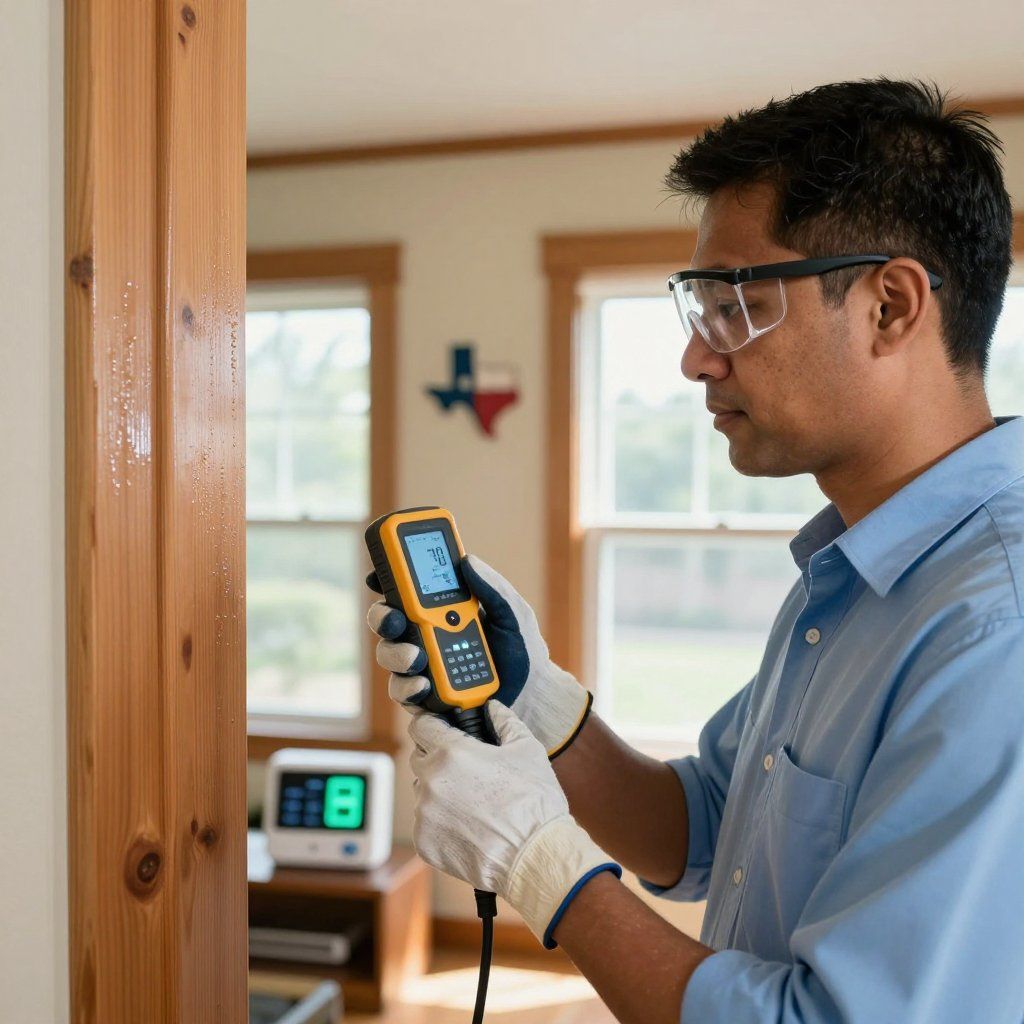
Depending on the project, the evaluation may include a visual assessment, review of moisture conditions, and mold sampling.
Why Should the Testing Company Be Independent?
There is an important distinction between:
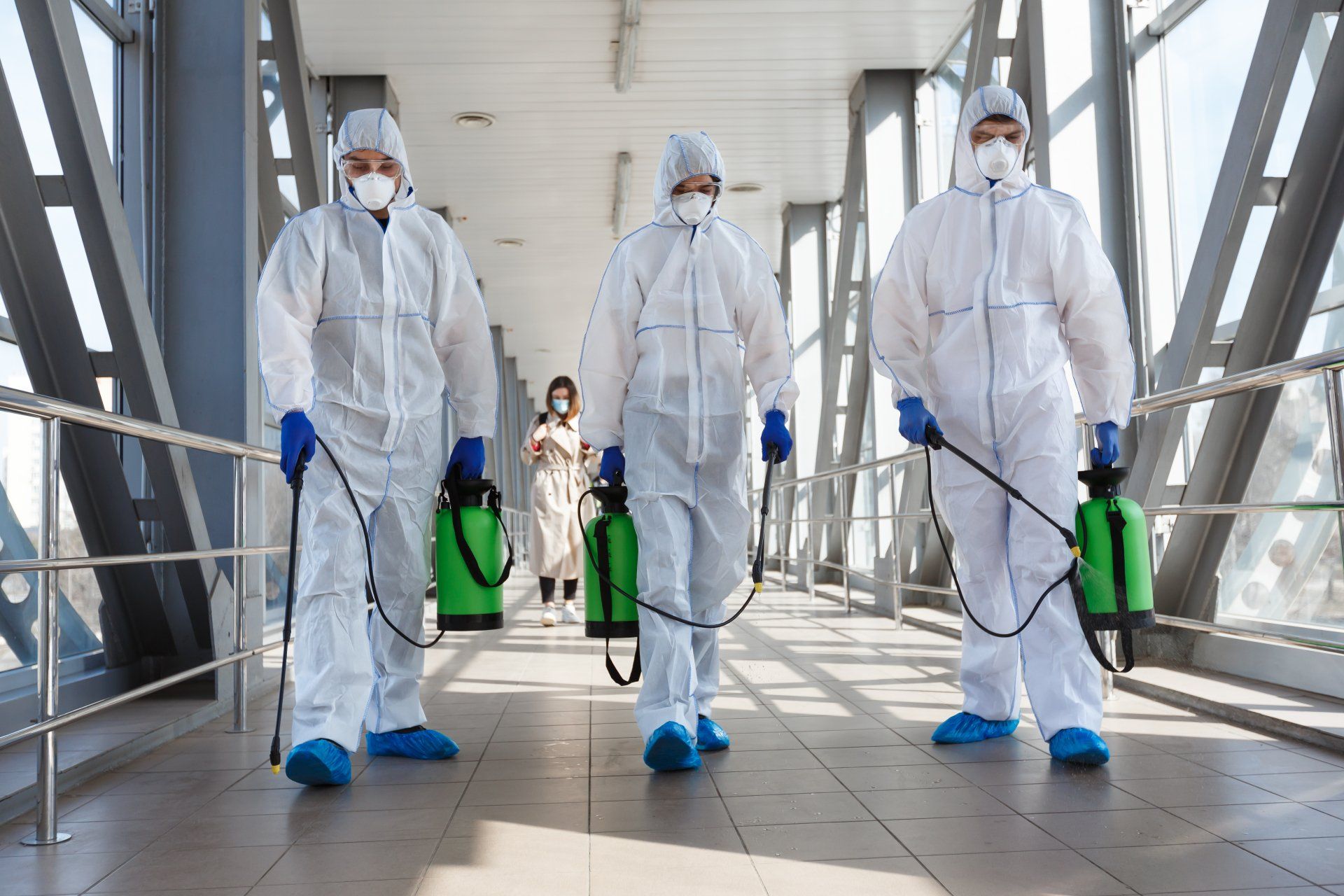
The company performing the remediation
and:
The company evaluating the property afterward.
When possible, using an independent inspection/testing company provides separation between the contractor performing the corrective work and the company evaluating post-remediation conditions.
Rapid Response Mold Testing focuses on inspection and testing rather than performing mold remediation based on our own findings.
What Does an Inspector Look for After Remediation?
The specific scope depends on the project, but the inspector may evaluate whether:
- Remediation work appears complete in accessible areas
- Visible mold-like growth remains
- Water-damaged materials remain
- Moisture concerns are still present
- Additional mold sampling is appropriate
The original source of water or moisture should also have been corrected. Otherwise, the conditions that contributed to the original mold problem may return.
How Does Air Sampling Help?
When air sampling is appropriate, samples may be collected from the remediated area and compared with an outdoor baseline sample.
Laboratory analysis identifies the types and concentrations of mold spores collected.
These results can then be interpreted along with the visual inspection and other relevant property conditions.
What Happens If the Area Doesn't Pass?
If post-remediation findings indicate that additional corrective work may be necessary, the remediation contractor can address the remaining conditions before another evaluation is performed.
The objective isn't simply to produce a “pass” result. The objective is to independently evaluate whether the conditions are appropriate following remediation.
When Should Clearance Testing Be Performed?
Testing should generally occur after the remediation work included in the scope has been completed but before the project is fully closed out.
The appropriate timing can vary depending on the project, remediation process, containment setup, and reconstruction schedule.
Don't Confuse Remediation With Reconstruction
Post-remediation testing may need to occur before walls, flooring, cabinets, or other finishes are completely reconstructed.
Once areas are closed, evaluating previously affected building cavities can become more difficult.
Discussing the timing of clearance testing before reconstruction begins can help avoid unnecessary complications.
Post-Remediation Testing in Houston & Los Angeles
Rapid Response Mold Testing provides independent post-remediation mold testing for residential and commercial properties throughout Houston and Los Angeles.
We work with homeowners, property managers, landlords, real estate professionals, remediation contractors, and other property stakeholders who need an independent evaluation after remediation.
Schedule Post-Remediation Testing
If mold remediation has been completed and you need an independent evaluation before closing the project, contact Rapid Response Mold Testing.
Call (888) 387-4855 or request post-remediation testing online.