Leaving Home for the Holidays? How to Keep Mold From Moving In While You're Away
What to do before you leave and when you get back
Whether you're leaving for a long holiday weekend or closing up a second home between guests, an empty house can be an easy place for mold to get started. Nobody is around to notice the slow drip under the sink, the AC drain backing up, or the musty smell building in a closed-off room.
Here's a practical checklist for homeowners and property owners in Houston and Los Angeles.
Why empty homes can grow mold
Mold needs moisture, something to feed on, and time. An unoccupied home supplies the time. Small leaks you'd normally catch in a day can run for weeks, closed doors let humidity build up, and with the HVAC off, nothing is pulling moisture out of the air.
The EPA notes that water-damaged materials should be dried within 24 to 48 hours to help prevent mold growth. When nobody is home, that window can pass long before anyone knows there's a problem.
Before you leave: a mold-prevention checklist
Keep humidity under control. The EPA recommends keeping indoor relative humidity below 60 percent, ideally between 30 and 50 percent. An inexpensive hygrometer will tell you where your home sits.
Don't shut the AC off completely (especially in Houston). Even in late fall and winter, Houston can see warm, muggy stretches. Your air conditioner is also your main dehumidifier. Rather than switching it off, raise the setpoint a few degrees so it still runs periodically. If you're using a portable dehumidifier, make sure it drains continuously to a floor drain or sink, or it will simply fill up and shut off.
Check the AC condensate drain. A clogged condensate line is one of the most common causes of hidden water damage we see. Make sure the drain line is clear and the drain pan is dry before you go.
Shut off or protect the water supply. For longer trips, consider turning off the main water valve. If you can't (for example, if you have a fire sprinkler system or need irrigation), at least close the supply valves to washing machines, which are a common source of sudden leaks. Water leak sensors under sinks, water heaters, and the washer are inexpensive and can send an alert to your phone.
Look for slow leaks now. Open the cabinets under kitchen and bathroom sinks and check for dampness, staining, or warped cabinet bottoms. Look at the base of the toilet and around the water heater.
Keep air moving. Leave interior doors, closet doors, and cabinet doors under sinks slightly open so air can circulate. Don't leave wet towels or laundry behind.
In Los Angeles, think about the roof and windows. The rainy season usually picks up in winter, and a storm while you're away can push water through a worn roof, clogged gutter, or failing window seal. Clear gutters and downspouts and check obvious problem spots before you leave. Our rainy season leak guide covers where these leaks tend to hide.
Ask someone to check in. A neighbor, friend, or property manager who walks through every week or so can catch a leak, a tripped breaker, or a musty smell before it turns into a bigger problem.
When you get back: what to check
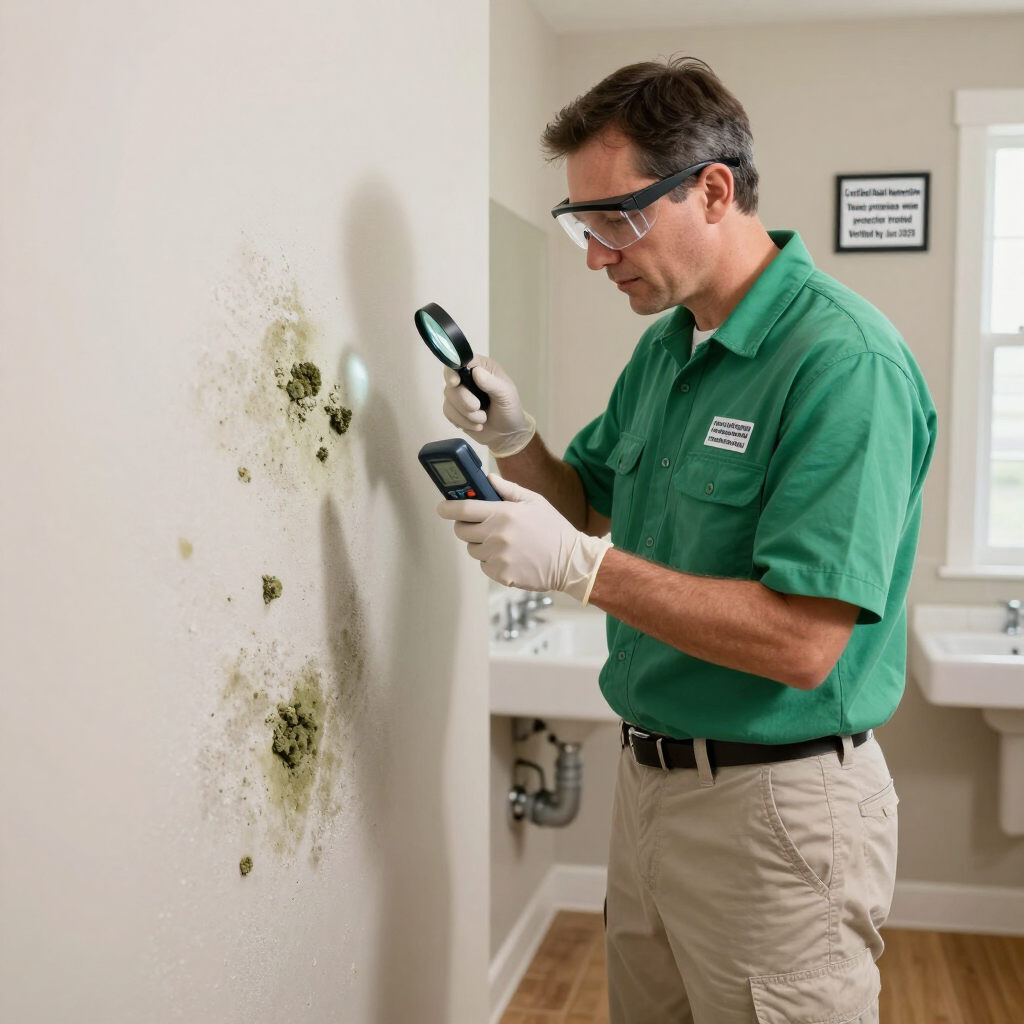
Walk through the house with your nose and eyes. A musty smell when you open the front door, condensation on windows, damp spots on ceilings or walls, or new stains under sinks are all worth a closer look.
If you find a small patch of surface mold, the EPA's general guidance is that areas under about 10 square feet can usually be cleaned by the homeowner, as long as the moisture source is fixed. If the smell is strong, the area is larger, you can't find the source of the moisture, or anyone in the home has health concerns, an independent inspection is a better next step.
How an independent inspection helps
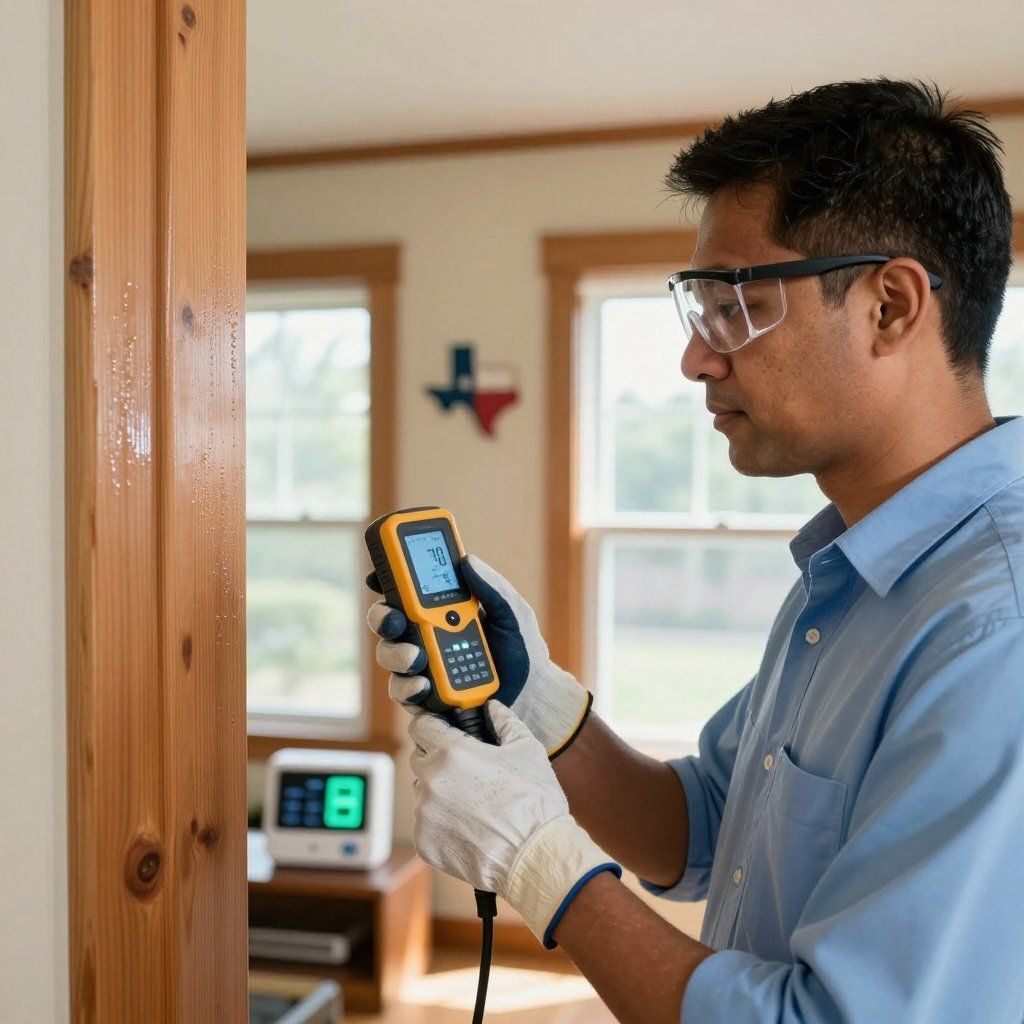
Rapid Response Mold Testing provides independent mold inspections and lab air testing in the Houston and Los Angeles areas. We don't do remediation, so we have no stake in what we find. A typical visit includes a visual inspection, moisture readings to track down hidden water, and air samples compared against an outdoor baseline and analyzed by an accredited lab. You get clear answers about whether there's a problem and where it's coming from.
FAQ
Should I turn off my AC when I leave for vacation?
In humid climates like Houston, it's usually better to raise the temperature setting than to turn the system off, because the AC also removes moisture from the air.
What humidity level helps prevent mold?
The EPA recommends keeping indoor relative humidity below 60 percent, ideally between 30 and 50 percent.
I came home to a musty smell but don't see mold. Should I test?
A persistent musty odor often means there's moisture or growth somewhere you can't see, such as inside a wall, under flooring, or in the HVAC system. An inspection with moisture readings and air sampling can help find it.
Coming home to a musty house?