Mold Problems in Humid Climates: Why Moisture Control Is Critical
Mold Problems in Humid Climates: Why Moisture Control Is Critical

Why humidity leads to mold growth
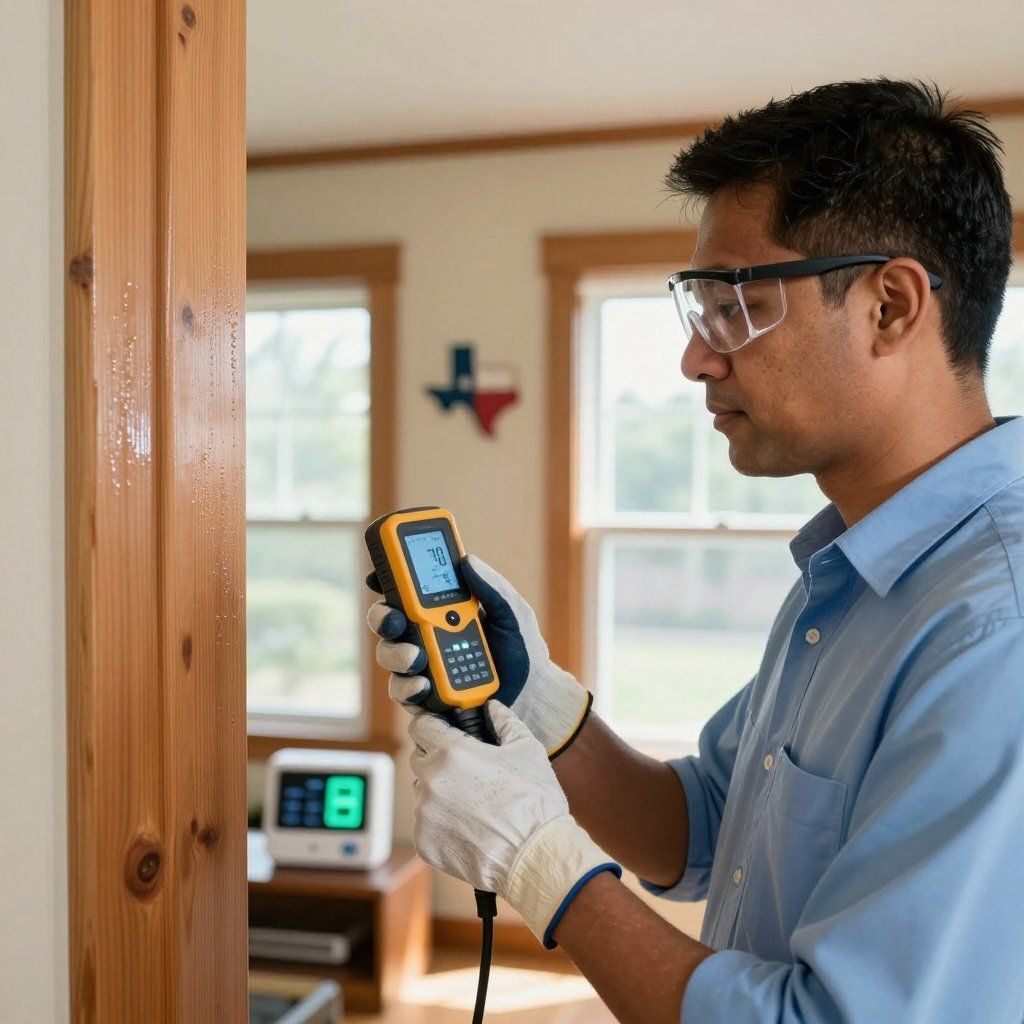
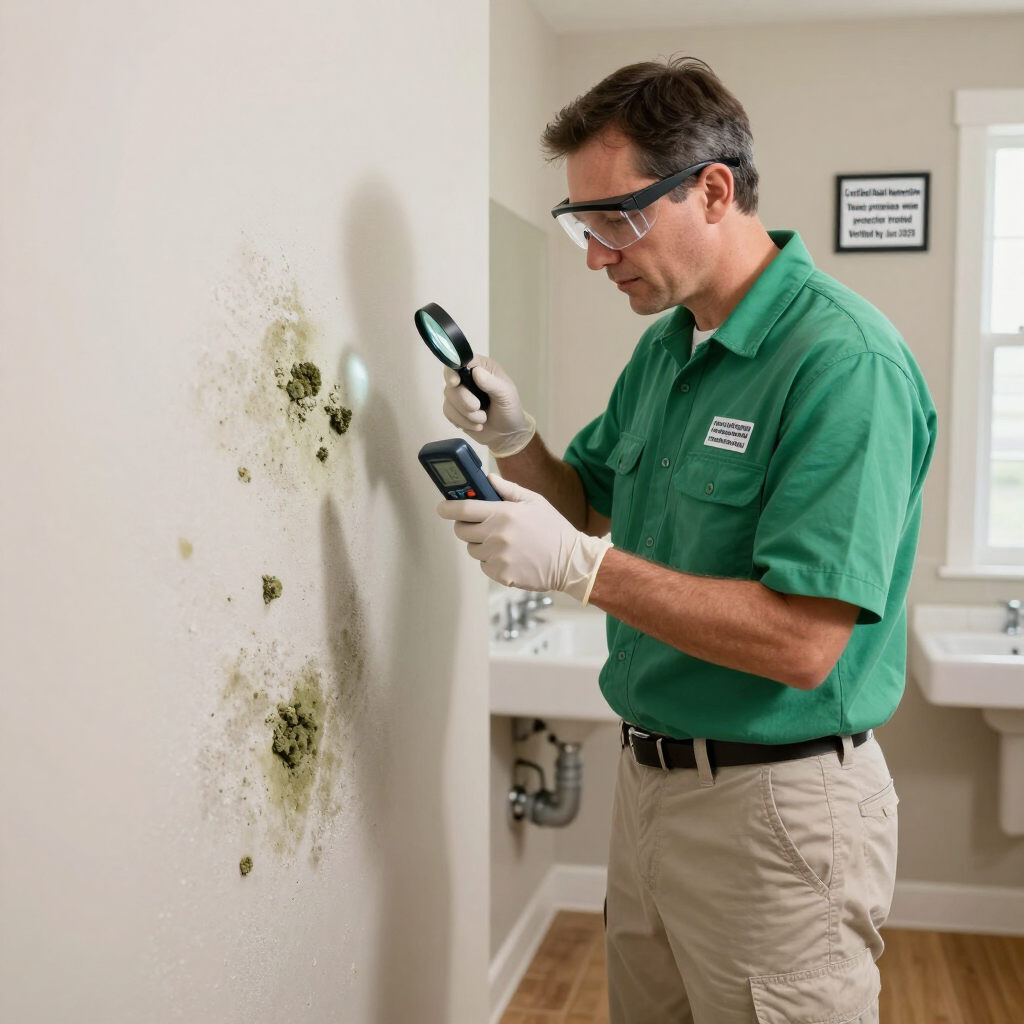
Mold thrives in warm, damp environments. In humid regions like Houston, indoor moisture can accumulate even without visible leaks.
When humidity levels rise above 60%, mold spores can settle and grow on building materials, furniture, and fabrics.
Common moisture sources inside homes
Air conditioning condensation
Poor ventilation
Plumbing leaks
Roof leaks
High outdoor humidity entering the home
Hidden moisture problems homeowners overlook
Poor attic ventilation
Trapped heat and moisture can lead to mold growth on roof decking.
HVAC condensation
Improper drainage or clogged lines can cause moisture buildup.
Bathroom humidity
Without adequate ventilation, steam can saturate walls and ceilings.
Closet and storage areas
Poor airflow allows moisture to accumulate.
How to reduce indoor humidity
Use exhaust fans when cooking or showering
Keep HVAC systems maintained
Use dehumidifiers if necessary
Repair leaks promptly
Ensure proper attic ventilation
When testing is recommended
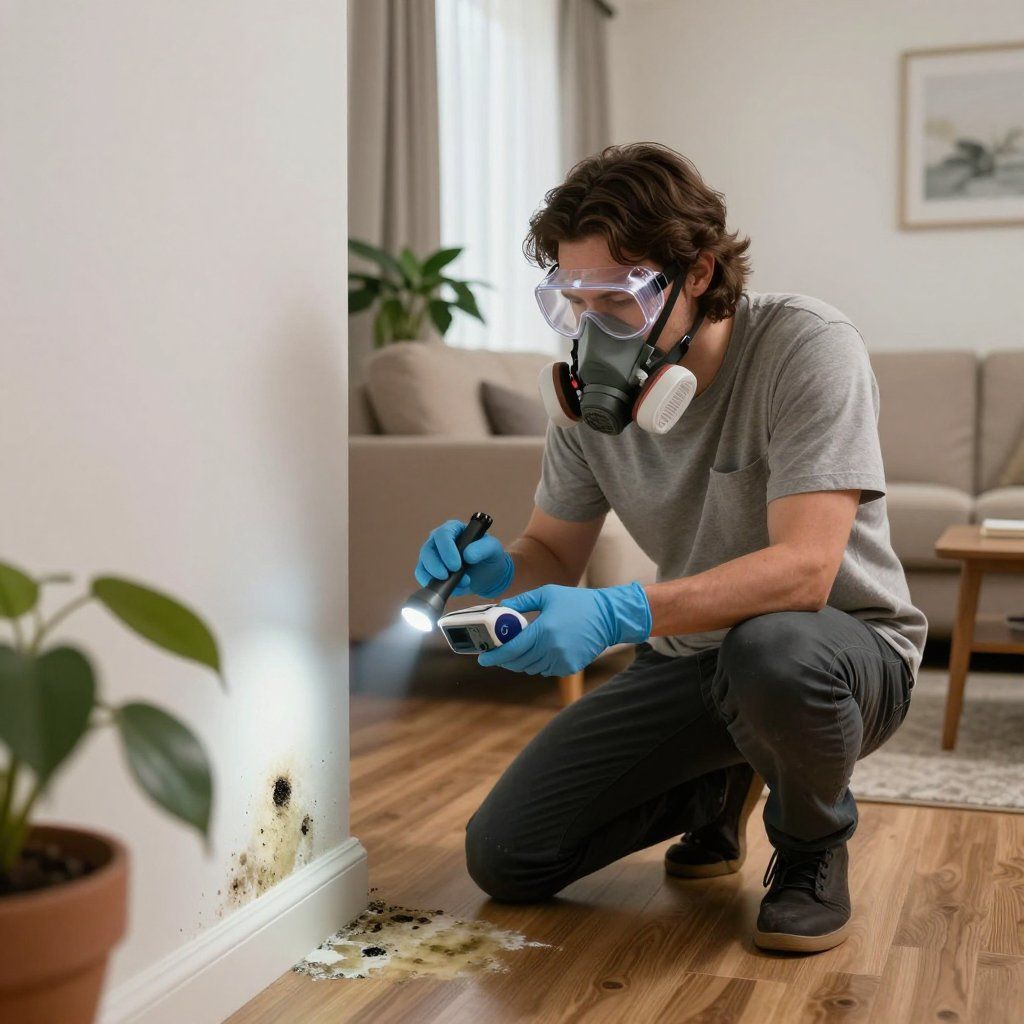
If musty odors, moisture issues, or allergy symptoms appear, testing can determine whether mold contamination is present.
Professional inspection helps identify moisture sources before damage spreads.