DIY Mold Test Kits vs. Professional Mold Testing: What Houston and Los Angeles Homeowners Should Know

Sean Dare • November 9, 2026

You notice a musty smell in a closet or a few dark spots near the bathroom vent, and the hardware store sells an inexpensive mold test kit. It's a natural first move. But before you trust the result, it helps to understand what those kits actually measure, and what they leave out.

How Most DIY Mold Test Kits Work

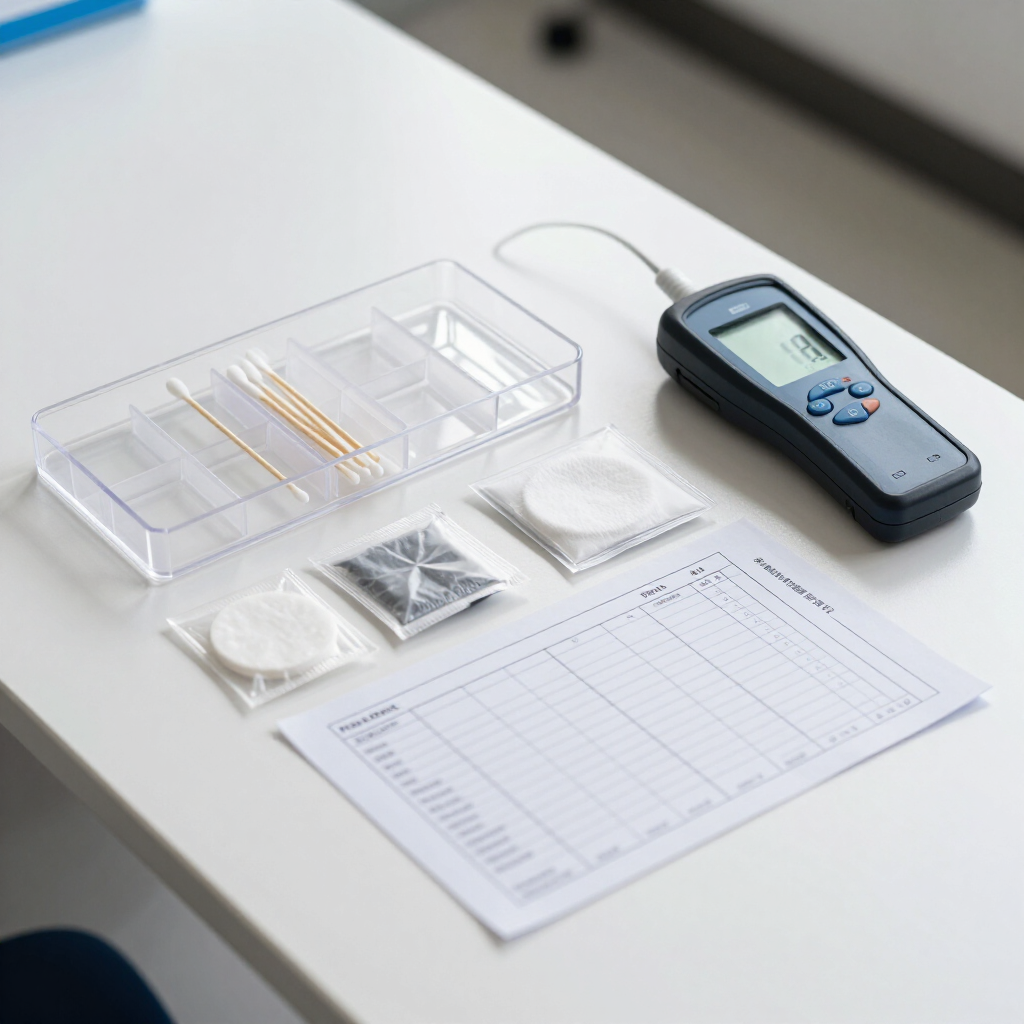
The most common home kit is a "settle plate": a small dish of growth medium that you open and leave out in a room for a set time. Airborne spores land on it, and after a few days you check whether anything grew.

The problem is that mold spores are a normal part of the air, indoors and out. In a humid place like Houston, or anywhere in Los Angeles with an open window, nearly any dish left open long enough will grow something. So a "positive" result usually just confirms that mold spores exist, which was never in question.

What a DIY Kit Can't Tell You

A settle plate leaves out the information you actually need to make a decision:

  • How much mold is in the air. A plate shows that something grew, not how many spores were present per volume of air.
  • How your indoor air compares to outdoors. Without an outdoor baseline, there's no way to tell whether indoor levels are normal or elevated.
  • Where the mold is coming from. A kit can't point to a hidden leak behind a wall, under a sink, or inside an AC system.
  • Why it's there. Mold follows moisture. A kit doesn't measure moisture, so the underlying cause stays hidden.

So a DIY result can mislead either way: a home with a hidden problem may look fine, and a healthy home can grow an alarming-looking dish.

What Professional Mold Testing Includes

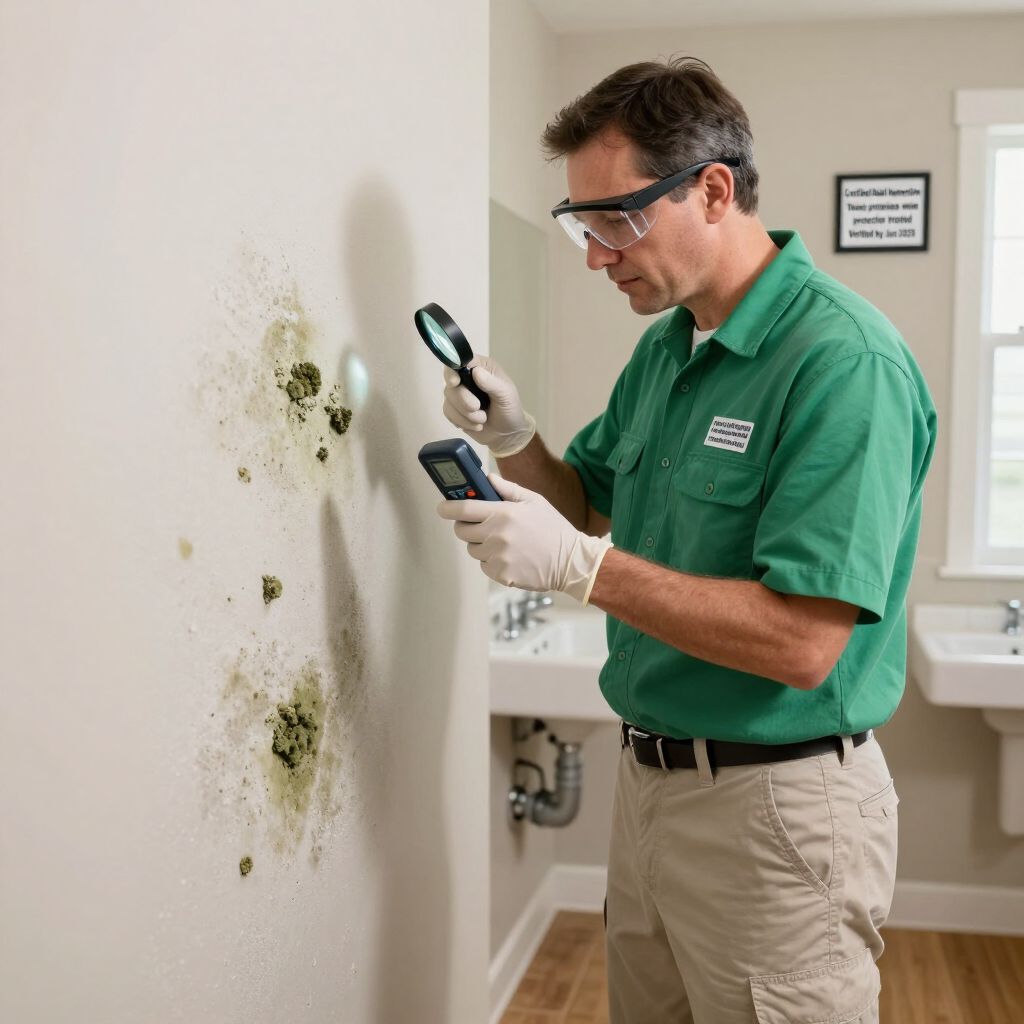
At Rapid Response Mold Testing, we focus on inspection and lab testing only. We don't do remediation, so our only job is to give you an honest picture of what's going on. A typical visit in Houston or Los Angeles includes:

  1. A visual inspection of the areas of concern and the places mold tends to hide, like bathrooms, under sinks, around windows, and near HVAC equipment.
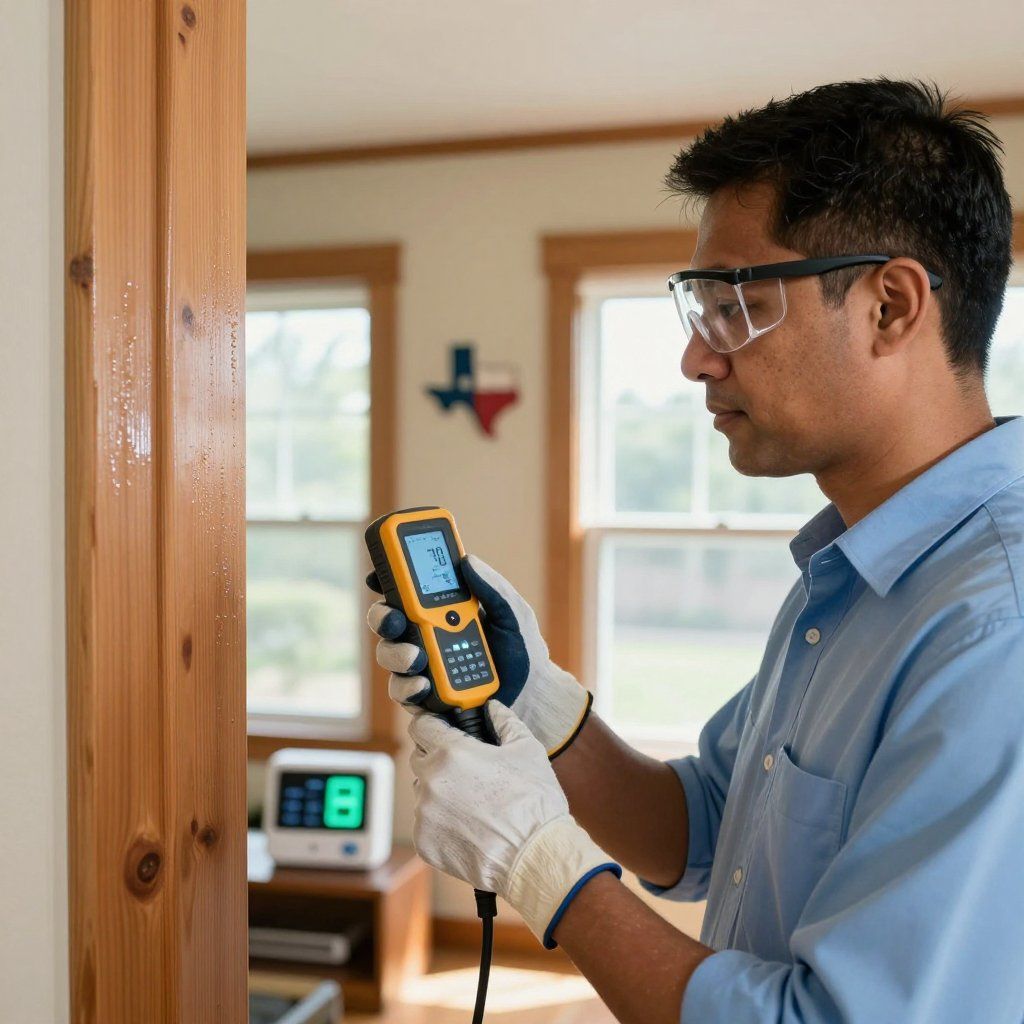
  2. Moisture readings with professional meters to find damp materials you can't see or feel.
  3. Air samples collected with calibrated equipment, pulling a measured volume of air so results can be compared fairly.
  4. An outdoor baseline sample, so your indoor results are judged against the air outside your home that day.
  5. Analysis by an accredited laboratory, which identifies the types of spores present and how many were collected.

The result is a report you can actually act on.

When a DIY Kit Might Be Enough

To be fair, not every situation calls for a professional. If you can see a small patch of mold on a hard surface, like a little growth on bathroom caulk, and you know why it's there, you don't need a test to confirm it's mold. Fix the moisture problem, clean the area, and keep an eye on it.

A kit can satisfy curiosity, but it's rarely the right tool for a decision that involves money, health, or a legal or real estate question.

When Professional Testing Makes More Sense

Consider professional mold testing if any of these apply:

  • You smell mustiness but can't find the source. That often points to hidden growth.
  • You've had a leak or water damage, from a roof, plumbing line, water heater, or AC drain, even if it's been "dried out."
  • Someone in the home has allergy-like symptoms that improve when they leave the house.
  • You're buying, selling, or renting and need documentation from an independent third party.
  • You're a property manager responding to a tenant complaint and need objective results.
  • Remediation was done and you want to confirm the area is back to normal before rebuilding.

Local Factors in Houston and Los Angeles

Houston's long humid season and frequent heavy rain keep indoor moisture high, especially in homes where the AC struggles or ductwork sweats. A DIY plate in a Houston home will almost always grow something, which makes the outdoor comparison from professional air sampling especially important.

Los Angeles homes face different pressures: older plumbing, roof and window leaks during the rainy season, and coastal humidity in neighborhoods near the ocean. Because LA's dry months can hide a slow leak until the first big storm, moisture readings often reveal problems a kit would never catch.

The Bottom Line

DIY mold test kits are inexpensive, but they mostly answer a question you didn't need to ask: "Are there mold spores in my home?" The answer is nearly always yes. The more useful questions are how much, compared to what, where it's coming from, and why. Those answers come from a combination of inspection, moisture readings, outdoor-baseline air sampling, and accredited lab analysis.

If you're in the Houston or Los Angeles area and want clear, independent answers about mold in your home or rental property, contact Rapid Response Mold Testing at (888) 387-4855 or office@rapidresponsemoldtesting.com to schedule an inspection.


By Sean Dare • November 2, 2026
Water on your windows on cool mornings? Learn why condensation happens in Houston and LA homes, when it leads to mold, and when testing makes sense.
By Sean Dare • October 29, 2026
Heading out for the holidays or closing up a second home? Here's how Houston and Los Angeles homeowners can keep mold from growing in an empty house, and what to check when you get back.
By Sean Dare • October 26, 2026
Black spots in the shower or a musty bathroom? Learn how Houston and Los Angeles homeowners can tell surface mildew from hidden moisture problems, and when mold testing makes sense.
By Sean Dare • October 21, 2026
Los Angeles rainy season is coming. Learn where roof and window leaks hide, what to check after a storm, and when a professional mold inspection makes sense.
By Sean Dare • October 21, 2026
A tenant reported mold. Here's what Houston and Los Angeles property managers should do first, what to document, and when independent mold testing helps.
October 19, 2026
Mold Clearance Testing After Remediation: What to Know | RRMT
October 13, 2026
Why Independent Mold Inspection & Testing Matters | RRMT
By Sean Dare • October 5, 2026
Mold Air Test Results & Spore Counts Explained | RRMT
September 28, 2026
Had an AC or condensate leak in Houston? Learn what should be checked for moisture and mold before walls and ceilings are repaired. Air conditioning is essential in Houston, but an AC condensate leak can create another problem that homeowners sometimes discover too late: hidden moisture inside ceilings, walls, flooring, or HVAC-adjacent building materials. Repairing the air conditioner or clearing the condensate drain solves the source of the leak—but that doesn't automatically tell you what happened to the materials that became wet. Before damaged areas are closed, painted, or reconstructed, it may be worth determining whether moisture remains and whether additional mold assessment is appropriate. Why AC Condensate Leaks Can Become Mold Problems Air conditioners remove moisture from indoor air. That water normally drains through the condensate system. Problems can develop when: A condensate line becomes clogged A drain pan overflows A drain line becomes disconnected The air handler leaks Insulation around HVAC components becomes wet Condensation develops around poorly insulated components Water may then migrate into surrounding ceilings, drywall, insulation, framing, flooring, or wall cavities. EPA guidance recommends drying wet or damp materials quickly—generally within 24 to 48 hours—to reduce the opportunity for mold growth. “The AC Is Fixed.” Is the Problem Over? Not necessarily. Repairing the AC addresses the source . You may still need to evaluate the affected building materials . Think of these as two separate questions: Question 1: Why was water entering the building? Question 2: What happened to the materials that got wet? Both matter. Areas Worth Checking After an AC Leak Depending on where the leak occurred, an inspection may consider: Ceiling drywall Wall surfaces Wall cavities Baseboards Flooring Carpet and padding HVAC closets Supply registers Return-air areas Air-handler surroundings Accessible duct or plenum areas Insulation Adjacent rooms Water does not always remain directly underneath the original leak. It can migrate along framing, drywall, flooring, and other materials. Why You Should Be Careful About Closing the Wall Too Quickly Once reconstruction begins, previously accessible materials may become concealed again. Installing new drywall over a wall cavity that still contains excessive moisture can make future investigation more difficult. Before reconstruction, it can be useful to confirm that the water source has been corrected and evaluate whether affected materials have adequately dried. What Does a Mold Inspection After an AC Leak Include? The scope depends on the property, but a professional assessment may involve: Visual Inspection The inspector looks for water staining, deterioration, suspected growth, damaged materials, condensation, and other evidence of moisture. Moisture Measurements Moisture readings can help identify materials that may still be wet or warrant further investigation. HVAC-Related Observations When relevant and accessible, areas around the air handler, registers, return pathway, and other HVAC components may be evaluated. Mold Sampling Depending on the conditions and purpose of the inspection, air, surface, or other targeted samples may be collected. Samples are then analyzed by a laboratory and interpreted together with the inspection findings. What If There Is No Visible Mold? Visible mold is not the only reason to investigate after water damage. You may have: Elevated moisture Concealed water damage A persistent odor Staining Deteriorated materials Conditions inside inaccessible spaces The absence of visible mold on the finished side of drywall does not establish what is happening behind it. Houston's Climate Makes Moisture Management Especially Important Houston properties routinely operate air-conditioning systems for long periods, making proper drainage, humidity management, and moisture control particularly important. EPA recommends keeping indoor relative humidity below 60 percent when possible, ideally around 30–50 percent. That doesn't mean every Houston home with higher humidity has mold. It means moisture conditions deserve attention when evaluating the potential for indoor mold growth. Should You Test Before Remediation? The correct approach depends on the extent and circumstances of the project. In Texas, professional mold assessment and remediation are regulated activities under state law when applicable requirements are triggered. A licensed mold assessment professional can determine an appropriate assessment scope and, when required, prepare a remediation protocol. What About After Remediation? Don't confuse remediation with verification. A post-remediation assessment evaluates whether the remediation project has met the applicable clearance criteria. For regulated Texas mold remediation projects, specific state requirements apply to assessment, remediation, post-remediation assessment, and certification. Schedule a Houston Mold Assessment If your Houston-area home, apartment, condo, or commercial property recently experienced an AC condensate leak, Rapid Response Mold Testing can evaluate the affected areas before you move forward with repairs or reconstruction. Our assessment can help identify: Areas of concern Moisture conditions Appropriate sampling locations Laboratory findings Potential next steps Contact Rapid Response Mold Testing to schedule a Houston mold inspection and assessment. Frequently Asked Questions Can an AC leak cause mold? Yes. Persistent moisture from an AC or condensate leak can create conditions that support mold growth. How quickly can mold develop after water damage? EPA recommends drying wet materials within approximately 24–48 hours to reduce the potential for mold growth. Should I replace drywall after an AC leak? That depends on the extent of water exposure, material condition, contamination, and moisture status. Inspection can help determine whether additional action is warranted. Can you inspect around HVAC registers? Accessible HVAC-related areas can be included when relevant to the assessment. Does fixing the AC mean the mold problem is solved? It corrects the moisture source if the repair is successful, but affected building materials may still require evaluation.
September 21, 2026
Musty Smell in Your House but No Mold? What to Do Next | RRMT