Mold in Closets: Why It Shows Up in Houston and Los Angeles Homes, and What to Do About It
Closets are one of the most common places homeowners first notice mold, and one of the most confusing. Maybe it's a musty smell when you open the door, or a fuzzy film on a leather jacket. Because closets stay closed and dark most of the time, a moisture problem can build quietly before anyone sees it. Here's why closet mold happens in Houston and Los Angeles homes, what to watch for, and when it's worth having it checked.
Why Closets Are Prone to Mold
Mold needs moisture, something to feed on, and time. Closets offer plenty of food: drywall paper, wood shelving, cardboard boxes, shoes, and natural fabrics like cotton, wool, and leather. What closets usually lack is airflow. With the door closed, the air inside barely mixes with the rest of the house, so humidity can stay higher than in the surrounding rooms.
The most common causes we see include:
- Closets on exterior walls. On cool nights, the outside wall can become colder than the room air. Moisture condenses on that cold surface, especially behind tightly packed clothes or boxes.
- Plumbing on the other side of the wall. A closet that backs up to a bathroom, laundry room, or kitchen can hide a slow leak from a supply line, shower valve, or drain.
- No supply or return air. Many closets aren't served by the HVAC system, so they don't get the drying and dehumidifying the rest of the home does.
- Overstuffed shelves and floors. Clothes and boxes pressed against walls block air movement and trap moisture.
- Damp items put away. Gym clothes, wet shoes, towels, and laundry that wasn't fully dry add moisture to a small, closed space.
Local Factors in Houston
Houston's humidity is the biggest driver. When the AC isn't running much during mild fall and winter stretches, indoor humidity can creep up, and closed-off closets feel it first. Many Houston homes also have closets on exterior walls that get chilly during cold fronts, which can lead to condensation on the wall behind hanging clothes.
Local Factors in Los Angeles
In Los Angeles, the issue is often older construction and coastal air. Many older homes have little or no wall insulation, so exterior closet walls get cold overnight. Near the coast, marine air and morning fog keep humidity higher than people expect. During the rainy season, a slow leak from a window, roof, or exterior stucco crack can show up first as a musty closet rather than a visible stain in the main room.
Warning Signs of Closet Mold
- A musty or earthy smell when you open the closet door, or on clothes that have been hanging a while.
- Spots or fuzzy growth on leather goods, shoes, belts, bags, or suitcases.
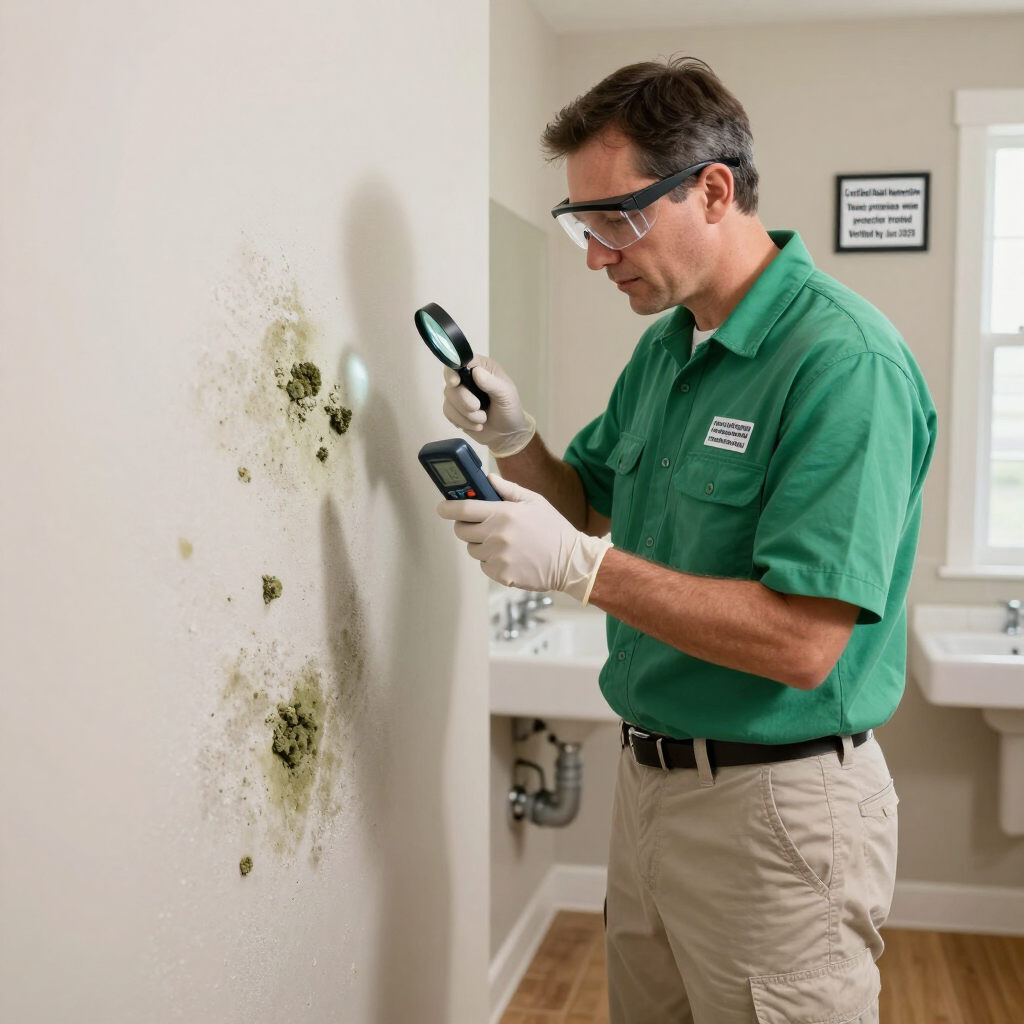
- Gray, green, or black spotting on walls, baseboards, or the underside of shelves, often lowest on exterior walls or in corners.
- Peeling paint, bubbling, or soft drywall on a wall shared with a bathroom or laundry room.
- Water stains on the closet ceiling below a bathroom or attic air handler.
If you find a small spot, avoid scrubbing or brushing it dry, which can release spores into the room. And if the smell or spotting keeps coming back after cleaning, that usually points to a moisture source that hasn't been found yet.
What a Mold Inspection Includes
At Rapid Response Mold Testing, we provide inspection and lab testing only. We don't do remediation, so our job is to give you an honest, independent picture of what's going on. A typical visit in Houston or Los Angeles includes:
- A visual inspection of the closet and nearby areas, including shared walls, ceilings, windows, and any plumbing or HVAC equipment close by.
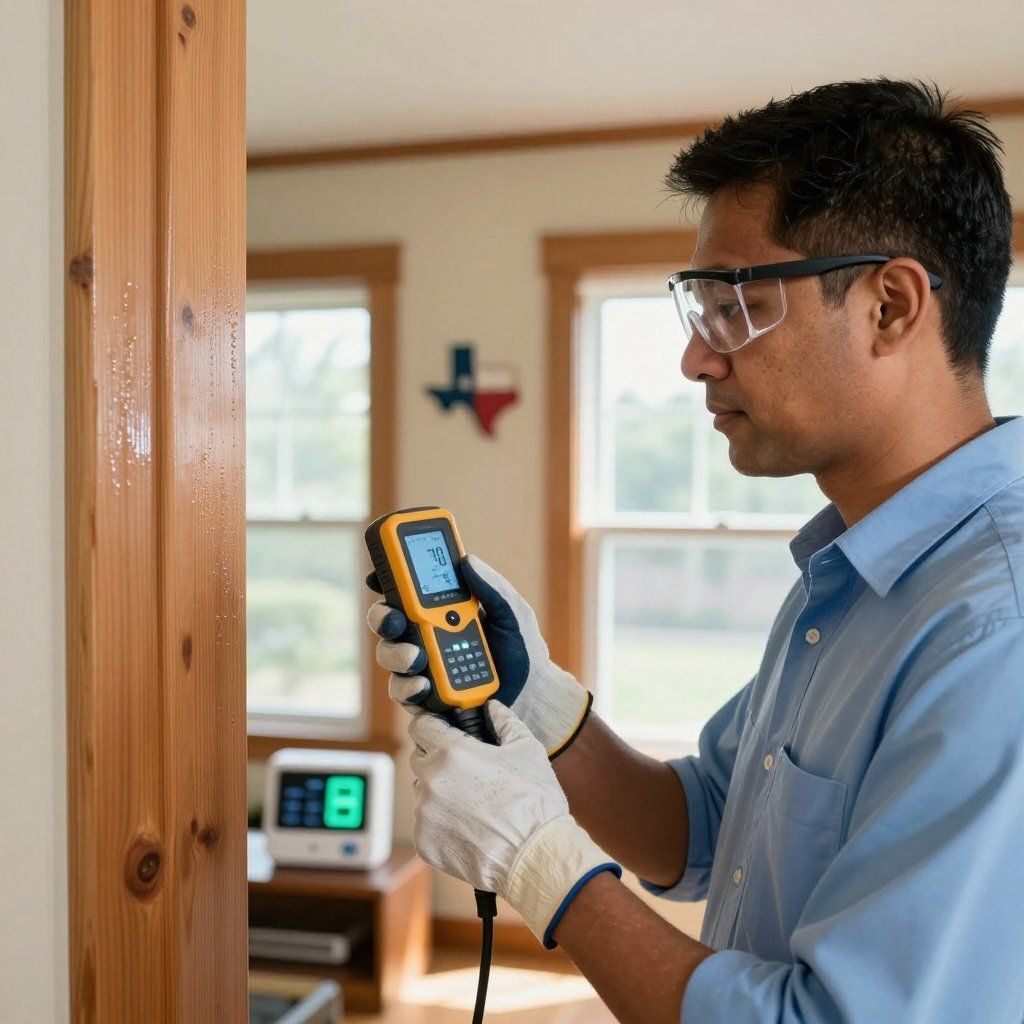
- Moisture readings to find damp materials and help pinpoint whether the cause is a leak, condensation, or humidity.
- Air samples collected with calibrated equipment, compared against an outdoor baseline sample taken the same day.
- Analysis by an accredited laboratory, so you know what types of spores are present and in what amounts.
The goal is to answer two questions: is there a mold problem, and why is it happening?
Simple Steps to Help Prevent Closet Mold
- Leave a few inches of space between stored items and exterior walls.
- Don't overstuff shelves or floors; give air room to move.
- Make sure clothes, shoes, and towels are completely dry before putting them away.
- Store items in breathable bins instead of cardboard boxes, which absorb moisture.
- Keep indoor humidity in check with your AC or a dehumidifier, especially in Houston.
The Bottom Line
Closet mold is usually a sign of moisture, not a sign of a dirty house. A musty smell, spots on leather, or staining on an exterior wall are good reasons to look a little closer, especially if the problem returns after cleaning.
If you're in the Houston or Los Angeles area and want clear, independent answers about mold in your closets or anywhere else in your home, contact Rapid Response Mold Testing at (888) 387-4855 or office@rapidresponsemoldtesting.com to schedule an inspection.