Attic Mold: Why It Happens in Houston and Los Angeles Homes, and How to Spot It Early

Sean Dare • November 17, 2026

Most homeowners rarely go into their attic. That's exactly why attic mold can grow for months, sometimes years, before anyone notices. By the time there's a smell in the hallway or a stain on a ceiling, the problem has usually been building for a while. Here's what causes attic mold in Houston and Los Angeles homes, what to look for, and when it makes sense to have it checked.

Why Attics Are Prone to Mold

Mold needs three things: moisture, something to feed on, and time. Attics have plenty of food in the form of wood roof decking, rafters, and paper-faced insulation. What they usually don't have is good airflow or regular attention. Add a steady source of moisture and the conditions are right.

The most common moisture sources we see include:

  • Bathroom and kitchen exhaust fans that vent into the attic instead of outside. Every shower sends warm, wet air straight onto the roof decking.
  • Poor attic ventilation. Blocked soffit vents, too few roof vents, or insulation pushed against the eaves can trap humid air.
  • Small roof leaks around flashing, vents, and chimneys that drip slowly onto insulation without ever reaching the ceiling below.
  • HVAC equipment in the attic. Air handlers, ductwork, and condensate drain lines can sweat or leak, especially when a drain line clogs.
  • Air leaks from the living space, such as gaps around recessed lights, attic hatches, and plumbing penetrations, that let indoor humidity rise into the attic.

Local Factors in Houston

Houston's heat and humidity make attics especially vulnerable. Many Houston homes have their air handler and ductwork in the attic, where temperatures climb far above the conditioned space below. Cold ducts and refrigerant lines in a hot, humid attic can collect condensation, and a clogged condensate line can overflow into the drain pan or onto the ceiling. Heavy Gulf Coast storms also test roofs regularly, so a small leak after a big rain is a common starting point for attic mold.

Local Factors in Los Angeles

In Los Angeles, the pattern is often different. Long dry stretches can hide a slow roof leak until the first heavy storms of the rainy season. Older homes may have original roofing, undersized vents, or bath fans that were never ducted to the exterior. In neighborhoods closer to the coast, marine air and morning fog add moisture that can settle on cooler roof surfaces overnight.

Warning Signs of Attic Mold

You don't have to crawl through your attic every month, but it's worth knowing what to watch for:

  • A musty or earthy smell near the attic hatch, in upstairs rooms, or when the AC first kicks on.
  • Dark staining or spotting on roof decking or rafters, often most visible near vents, eaves, or around the bathroom fan.
  • Damp, compressed, or discolored insulation.
  • Frost or water droplets on nails or the underside of the roof on cool mornings.
  • Water stains on upstairs ceilings, particularly below the air handler or near exterior walls.
  • Rust on nails, metal fasteners, or HVAC components in the attic.

If you do go up to look, step only on joists or a solid walkway, bring good lighting, and wear a dust mask. Don't disturb visible growth, since that can spread spores into the house.

What an Attic Mold Inspection Includes

At Rapid Response Mold Testing, we provide inspection and lab testing only. We don't do remediation, so our job is simply to give you an honest, independent picture of what's going on. A typical visit in Houston or Los Angeles includes:

  1. A visual inspection of the attic and the areas below it, including decking, framing, insulation, vents, and HVAC equipment.
  2. Moisture readings to find damp materials and help identify the source.
  3. Air samples collected with calibrated equipment, compared against an outdoor baseline sample taken the same day.
  4. Analysis by an accredited laboratory, so you know what types of spores are present and in what amounts.

The goal isn't just to confirm whether mold is present, but to point to why it's there, whether that's a venting issue, a leak, or HVAC condensation, so the real cause can be fixed.

Simple Steps to Help Prevent Attic Mold

  • Make sure bathroom and kitchen exhaust fans vent to the outside, not into the attic.
  • Keep soffit vents clear of insulation and debris.
  • Have your roof checked after major storms.
  • Keep AC condensate lines clear and check the drain pan for standing water.
  • Seal obvious air leaks between the living space and the attic.

The Bottom Line

Attic mold is easy to miss because it grows where no one looks. A musty smell upstairs, a ceiling stain, or an old bath fan that might be venting into the attic are all good reasons to take a closer look.

If you're in the Houston or Los Angeles area and want clear, independent answers about mold in your attic or anywhere else in your home, contact Rapid Response Mold Testing at (888) 387-4855 or office@rapidresponsemoldtesting.com to schedule an inspection.
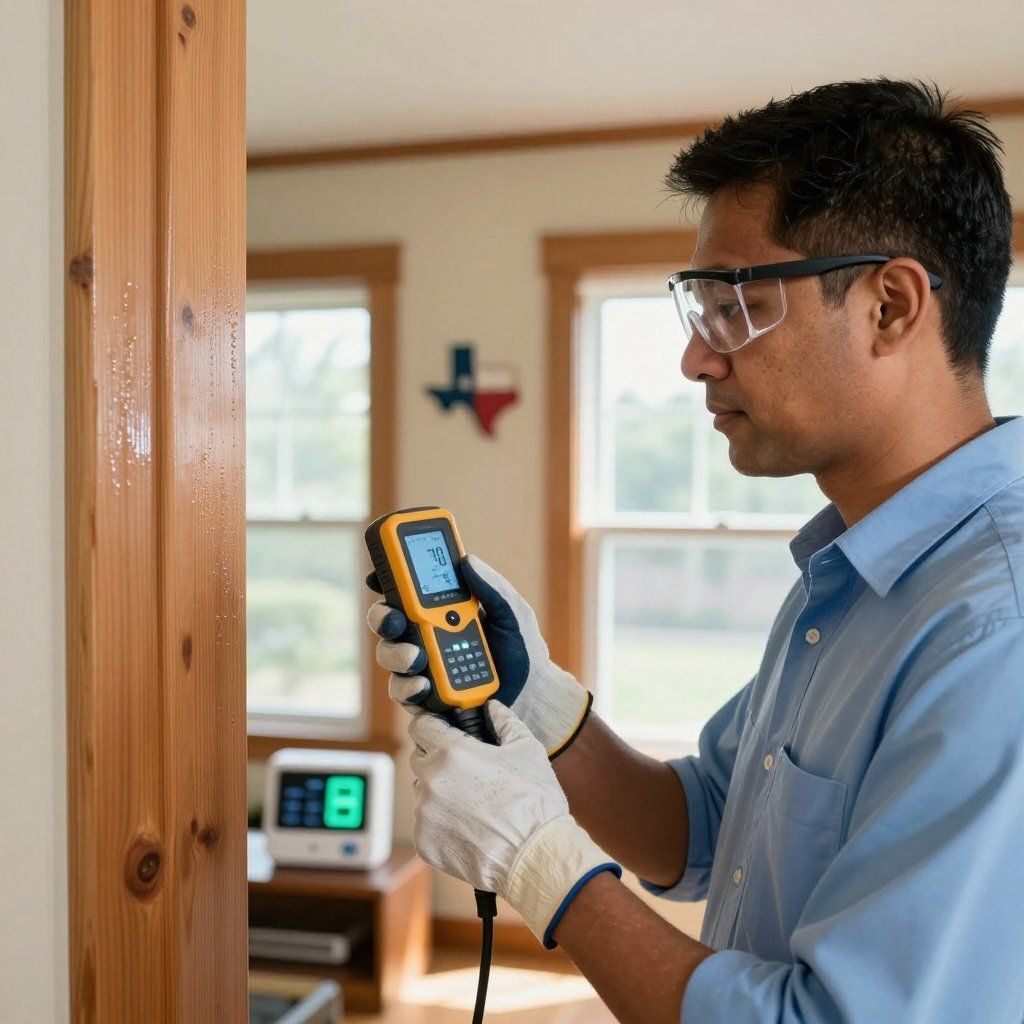

A technician in gloves uses a handheld meter to inspect a wooden doorframe in a bright room.
By Sean Dare • November 9, 2026
Thinking about a store-bought mold test kit? Learn what DIY kits can and can't tell you, and when professional mold testing in Houston or Los Angeles is worth it.
By Sean Dare • November 2, 2026
Water on your windows on cool mornings? Learn why condensation happens in Houston and LA homes, when it leads to mold, and when testing makes sense.
By Sean Dare • October 29, 2026
Traveling this holiday season? Simple steps to keep mold out of your Houston or Los Angeles home while you're away, and what to check when you get back.
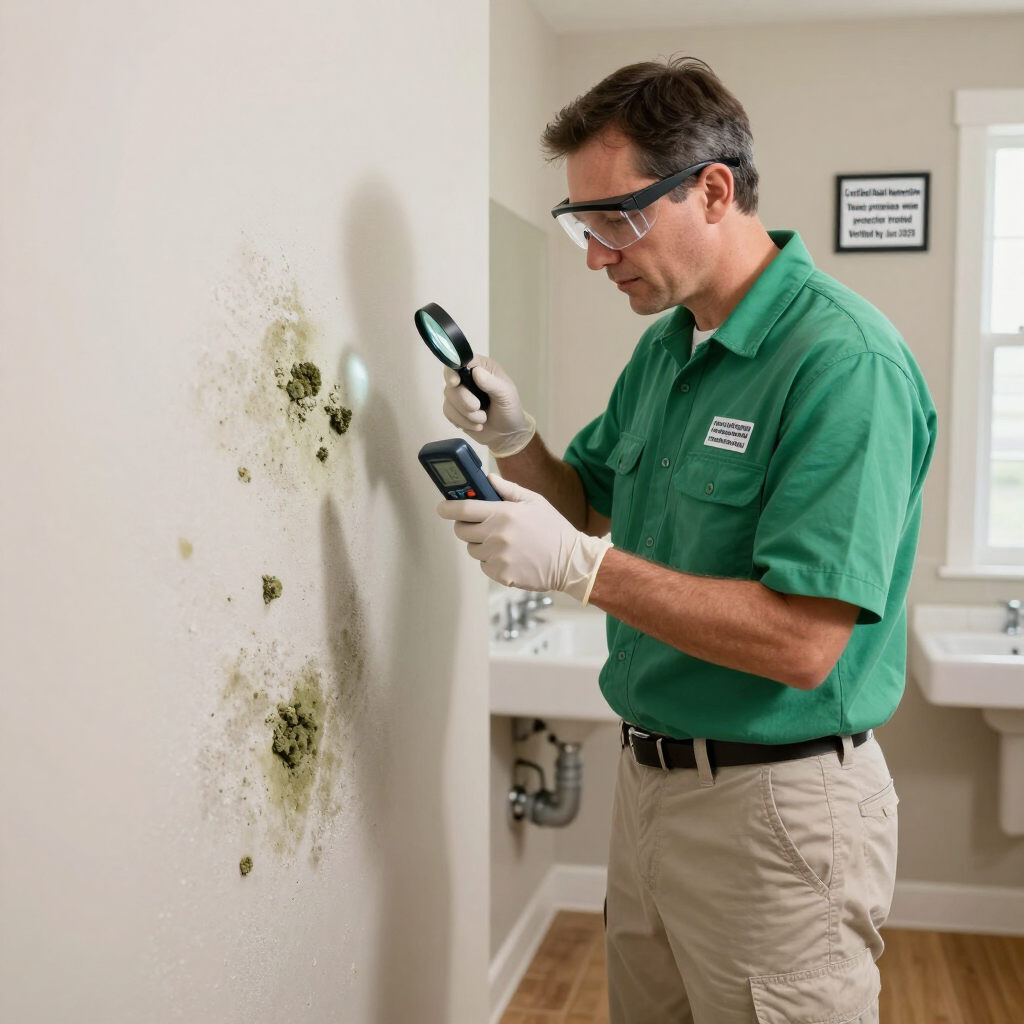
A technician in protective glasses examines dark mold spots on an indoor wall with a light and handheld meter.
By Sean Dare • October 26, 2026
Black spots in the shower or a musty bathroom? Learn how Houston and Los Angeles homeowners can tell surface mildew from hidden moisture problems, and when mold testing makes sense.
By Sean Dare • October 21, 2026
Los Angeles rainy season is coming. Learn where roof and window leaks hide, what to check after a storm, and when a professional mold inspection makes sense.
By Sean Dare • October 21, 2026
A tenant reported mold. Here's what Houston and Los Angeles property managers should do first, what to document, and when independent mold testing helps.
Three workers in protective suits and masks spray disinfectant along a bright indoor corridor.
October 19, 2026
Mold Clearance Testing After Remediation: What to Know | RRMT
Three smiling uniformed staff members stand with equipment cases, holding a sign that reads “NCLP-MED Certified.”
October 13, 2026
Why Independent Mold Inspection & Testing Matters | RRMT
A handheld digital meter, clear sample tray, small packets, and a printed chart arranged on a white table.
By Sean Dare • October 5, 2026
Mold Air Test Results & Spore Counts Explained | RRMT
A technician in safety glasses and gloves inspects a wooden doorframe with a handheld testing device in a bright room.
September 28, 2026
Had an AC or condensate leak in Houston? Learn what should be checked for moisture and mold before walls and ceilings are repaired. Air conditioning is essential in Houston, but an AC condensate leak can create another problem that homeowners sometimes discover too late: hidden moisture inside ceilings, walls, flooring, or HVAC-adjacent building materials. Repairing the air conditioner or clearing the condensate drain solves the source of the leak—but that doesn't automatically tell you what happened to the materials that became wet. Before damaged areas are closed, painted, or reconstructed, it may be worth determining whether moisture remains and whether additional mold assessment is appropriate. Why AC Condensate Leaks Can Become Mold Problems Air conditioners remove moisture from indoor air. That water normally drains through the condensate system. Problems can develop when: A condensate line becomes clogged A drain pan overflows A drain line becomes disconnected The air handler leaks Insulation around HVAC components becomes wet Condensation develops around poorly insulated components Water may then migrate into surrounding ceilings, drywall, insulation, framing, flooring, or wall cavities. EPA guidance recommends drying wet or damp materials quickly—generally within 24 to 48 hours—to reduce the opportunity for mold growth. “The AC Is Fixed.” Is the Problem Over? Not necessarily. Repairing the AC addresses the source . You may still need to evaluate the affected building materials . Think of these as two separate questions: Question 1: Why was water entering the building? Question 2: What happened to the materials that got wet? Both matter. Areas Worth Checking After an AC Leak Depending on where the leak occurred, an inspection may consider: Ceiling drywall Wall surfaces Wall cavities Baseboards Flooring Carpet and padding HVAC closets Supply registers Return-air areas Air-handler surroundings Accessible duct or plenum areas Insulation Adjacent rooms Water does not always remain directly underneath the original leak. It can migrate along framing, drywall, flooring, and other materials. Why You Should Be Careful About Closing the Wall Too Quickly Once reconstruction begins, previously accessible materials may become concealed again. Installing new drywall over a wall cavity that still contains excessive moisture can make future investigation more difficult. Before reconstruction, it can be useful to confirm that the water source has been corrected and evaluate whether affected materials have adequately dried. What Does a Mold Inspection After an AC Leak Include? The scope depends on the property, but a professional assessment may involve: Visual Inspection The inspector looks for water staining, deterioration, suspected growth, damaged materials, condensation, and other evidence of moisture. Moisture Measurements Moisture readings can help identify materials that may still be wet or warrant further investigation. HVAC-Related Observations When relevant and accessible, areas around the air handler, registers, return pathway, and other HVAC components may be evaluated. Mold Sampling Depending on the conditions and purpose of the inspection, air, surface, or other targeted samples may be collected. Samples are then analyzed by a laboratory and interpreted together with the inspection findings. What If There Is No Visible Mold? Visible mold is not the only reason to investigate after water damage. You may have: Elevated moisture Concealed water damage A persistent odor Staining Deteriorated materials Conditions inside inaccessible spaces The absence of visible mold on the finished side of drywall does not establish what is happening behind it. Houston's Climate Makes Moisture Management Especially Important Houston properties routinely operate air-conditioning systems for long periods, making proper drainage, humidity management, and moisture control particularly important. EPA recommends keeping indoor relative humidity below 60 percent when possible, ideally around 30–50 percent. That doesn't mean every Houston home with higher humidity has mold. It means moisture conditions deserve attention when evaluating the potential for indoor mold growth. Should You Test Before Remediation? The correct approach depends on the extent and circumstances of the project. In Texas, professional mold assessment and remediation are regulated activities under state law when applicable requirements are triggered. A licensed mold assessment professional can determine an appropriate assessment scope and, when required, prepare a remediation protocol. What About After Remediation? Don't confuse remediation with verification. A post-remediation assessment evaluates whether the remediation project has met the applicable clearance criteria. For regulated Texas mold remediation projects, specific state requirements apply to assessment, remediation, post-remediation assessment, and certification. Schedule a Houston Mold Assessment If your Houston-area home, apartment, condo, or commercial property recently experienced an AC condensate leak, Rapid Response Mold Testing can evaluate the affected areas before you move forward with repairs or reconstruction. Our assessment can help identify: Areas of concern Moisture conditions Appropriate sampling locations Laboratory findings Potential next steps Contact Rapid Response Mold Testing to schedule a Houston mold inspection and assessment. Frequently Asked Questions Can an AC leak cause mold? Yes. Persistent moisture from an AC or condensate leak can create conditions that support mold growth. How quickly can mold develop after water damage? EPA recommends drying wet materials within approximately 24–48 hours to reduce the potential for mold growth. Should I replace drywall after an AC leak? That depends on the extent of water exposure, material condition, contamination, and moisture status. Inspection can help determine whether additional action is warranted. Can you inspect around HVAC registers? Accessible HVAC-related areas can be included when relevant to the assessment. Does fixing the AC mean the mold problem is solved? It corrects the moisture source if the repair is successful, but affected building materials may still require evaluation.