Mold Inspection
Uncovering the silent culprit in your Home

As a homeowner, it's crucial to be aware of the potential dangers that can lurk within the walls of your sanctuary. One such threat is mold. Mold is a type of fungus that thrives in damp and humid environments, and it can wreak havoc on your health and the structural integrity of your home. In this article, we will explore the importance of mold inspection and the steps involved in a professional mold inspection. By the end, you will understand the significance of addressing mold issues promptly and take the necessary measures to protect your home and loved ones.
What is Mold and Why is it a Problem?
Mold is a microscopic organism that reproduces by releasing spores into the air. These spores are invisible to the naked eye and can easily find their way into your home through open doors, windows, or even on your clothing. Once inside, mold spores settle on damp surfaces and begin to grow, forming colonies that can spread rapidly if left unchecked.
The presence of mold in your home can lead to a host of problems. Not only can it cause unsightly stains and unpleasant odors, but it can also compromise the structural integrity of your property. Mold feeds on organic materials such as wood, drywall, and carpet, weakening the structure over time. Moreover, mold can trigger allergies and respiratory issues, especially in individuals with compromised immune systems or pre-existing conditions such as asthma.
Importance of Mold Inspection
Mold is often referred to as the silent culprit because it can grow undetected behind walls, under carpets, or in hidden corners of your home. This makes mold inspection a critical step in ensuring the safety and well-being of your household. By conducting regular mold inspections, you can identify the presence of mold early on and take immediate action to prevent its further growth and spread. Moreover, a professional mold inspection can help pinpoint the underlying causes of mold growth, such as plumbing leaks or poor ventilation, allowing you to address these issues at their source.
Signs of Mold in Your Home
Detecting mold in your home can be challenging, as it often hides in inconspicuous places. However, there are several signs that can indicate the presence of mold. Keep an eye out for musty odors, especially in damp areas such as basements or bathrooms. Discoloration on walls or ceilings, peeling wallpaper, or visible water stains can also be indicative of mold growth. If you or your family members are experiencing unexplained allergies, respiratory issues, or persistent coughing, mold could be the culprit. Finally, if there has been a history of water damage or leaks in your home, the chances of mold growth increase significantly.
DIY Mold Inspection vs Professional Mold Inspection
While it may be tempting to undertake a DIY mold inspection, it is crucial to recognize the limitations of this approach. DIY kits can provide some basic information about the presence of mold spores in the air, but they cannot accurately determine the extent of mold growth or identify the specific type of mold present. Professional mold inspectors, on the other hand, have the expertise and specialized equipment to conduct a thorough inspection of your home. They can detect hidden mold, assess the severity of the problem, and provide tailored recommendations for remediation.
Steps Involved in a Professional Mold Inspection
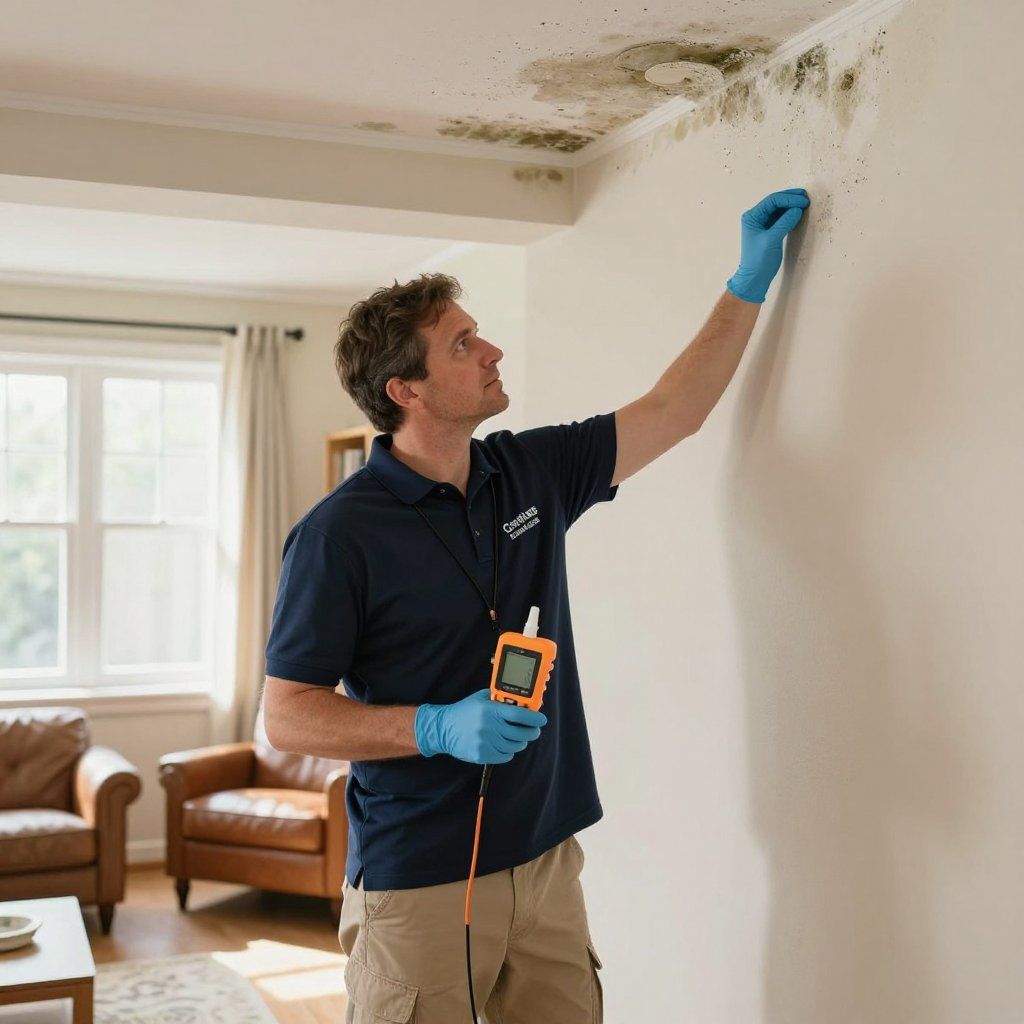
A professional mold inspection typically involves several steps to ensure a comprehensive assessment of your home. The process begins with a visual inspection, where the inspector examines both the interior and exterior of your property for any visible signs of mold. They will pay close attention to areas prone to moisture, such as bathrooms, kitchens, and basements.
Next, the inspector may use moisture meters or thermal imaging cameras to identify areas with high humidity or water intrusion. These tools can detect hidden mold growth behind walls or under flooring, allowing for a more accurate assessment.
Sampling is another crucial step in the mold inspection process. The inspector may collect air samples, surface samples, or bulk samples from suspected areas to be sent to a laboratory for analysis. This analysis can determine the type and concentration of mold spores present, helping to guide the remediation process.
After the inspection, the mold inspector will provide you with a detailed report that outlines their findings and recommendations. If mold is detected, they will advise you on the necessary steps to eliminate the mold and prevent future growth. It is essential to follow their recommendations promptly to ensure a safe and healthy living environment.
Common Areas Where Mold is Found in Homes
Mold can thrive in various areas of your home, particularly those with high humidity or moisture levels. Bathrooms, basements, and kitchens are prime breeding grounds for mold due to the presence of water sources and poor ventilation. In bathrooms, mold often grows in the grout between tiles, around the bathtub or shower, and on the ceiling. Basements, being below ground level, are prone to dampness, making them a favorable environment for mold growth. Kitchens, with their frequent use of water and steam, can also be susceptible to mold infestations.
However, mold can also be found in unexpected places, such as behind walls, under carpets, or in crawl spaces. These hidden areas provide the ideal conditions for mold growth, as they are often dark, damp, and poorly ventilated. It is crucial to address mold issues in these hidden spaces promptly to prevent further damage and health risks.
Health Risks Associated with Mold Exposure
Exposure to mold can have detrimental effects on your health, particularly if you are sensitive or allergic to mold spores. Common symptoms of mold exposure include nasal congestion, coughing, sneezing, eye irritation, and skin rashes. In individuals with respiratory conditions such as asthma, mold can exacerbate symptoms and lead to severe breathing difficulties.
Moreover, certain types of mold produce mycotoxins, which are toxic substances that can be released into the air. Prolonged exposure to mycotoxins can result in more severe health issues, including respiratory infections, neurological problems, and even organ damage. It is crucial to address mold problems promptly to mitigate the health risks associated with mold exposure.
Preventing Mold Growth in Your Home
Prevention is key when it comes to mold growth in your home. By taking proactive measures, you can create an environment that is inhospitable to mold. Here are some tips to prevent mold growth:
- Maintain proper ventilation: Ensure that your home is well-ventilated, especially in areas prone to moisture, such as bathrooms and kitchens. Use exhaust fans or open windows to promote air circulation and reduce humidity levels.
- Address water leaks promptly: Any signs of water leaks or moisture intrusion should be addressed immediately. Fix plumbing leaks, repair roof damage, and ensure proper drainage around your property.
- Control humidity levels: Monitor the humidity levels in your home and keep them below 50%. Consider using dehumidifiers in areas with high humidity, such as basements.
- Proper insulation: Adequate insulation can prevent condensation and moisture buildup on walls and ceilings. Ensure that your home is properly insulated to minimize the risk of mold growth.
- Regular maintenance: Conduct regular inspections of your home, checking for any signs of leaks, water damage, or mold growth. Address any issues promptly to prevent further damage.
Hiring a Professional Mold Inspection Company
When it comes to mold inspection, it is highly recommended to seek the services of a professional mold inspection company. These experts have the knowledge, experience, and equipment to conduct a thorough assessment of your home and provide accurate recommendations for remediation.
When hiring a mold inspection company, consider the following factors:
- Certification and experience: Ensure that the company has certified mold inspectors with extensive experience in the field. Look for certifications such as the Certified Mold Inspector (CMI) or the Mold Inspection Consulting and Remediation Organization (MICRO).
- Reputation and reviews: Research the company's reputation and read reviews from previous clients. Look for testimonials that highlight their professionalism, reliability, and expertise.
- Comprehensive services: Choose a company that offers a comprehensive range of services, including mold inspection, testing, and remediation. This ensures that all aspects of mold-related issues can be addressed by a single provider.
- Clear and detailed reports: A reputable mold inspection company will provide you with a detailed report of their findings, including any mold growth detected, the type of mold present, and recommended remediation steps.
- Cost and affordability: While price should not be the sole determining factor, it is essential to consider the cost of the services offered. Obtain quotes from multiple companies and compare their prices and services to make an informed decision.
Conclusion
Mold can be a silent threat that compromises both your home's structural integrity and your health. By understanding the importance of mold inspection and taking proactive measures to prevent mold growth, you can create a safe and healthy living environment for you and your loved ones. Remember, early detection is key, so don't hesitate to seek the services of a professional mold inspection company if you suspect mold growth in your home. Together, we can eliminate mold and ensure a mold-free future for our homes and families.
Take action today and schedule a professional mold inspection to protect your home and loved ones from the dangers of mold.